Written by Hamka Taking
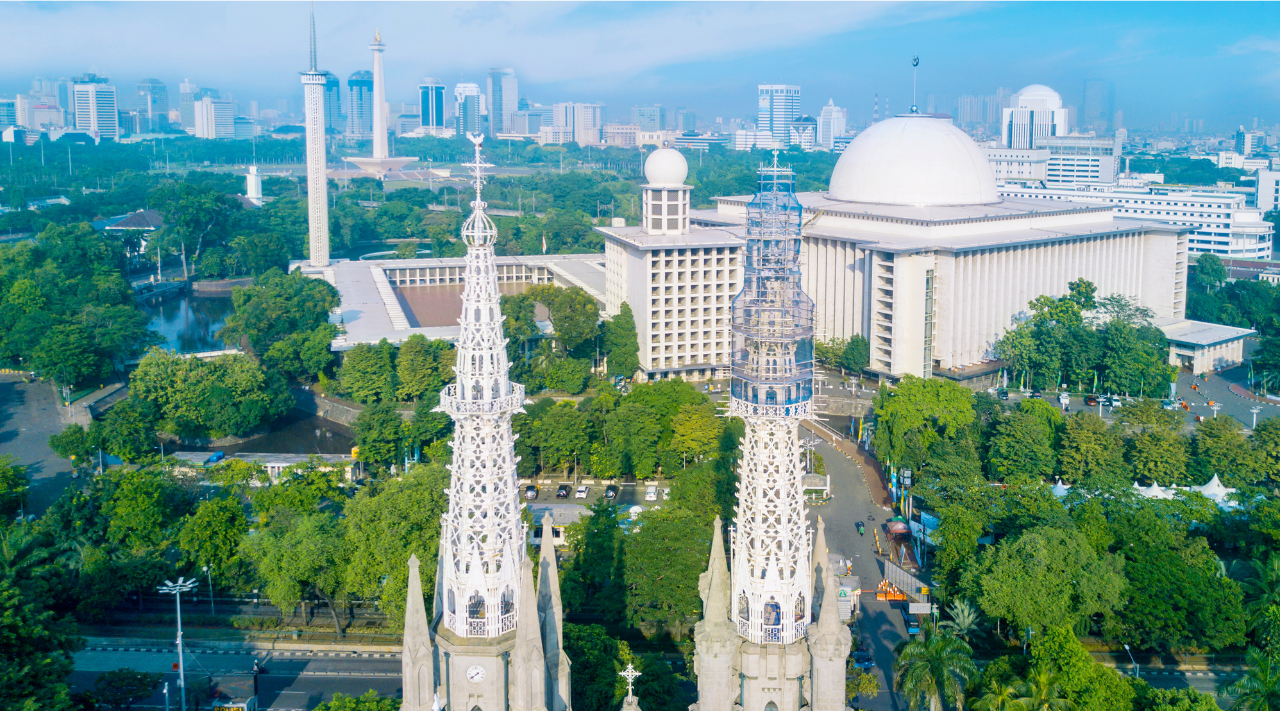
Indonesia is an incredibly diverse archipelago with a total population of over 282 million people as of 2023. This diversity can be a challenge and an opportunity. It’s a challenge because differences, especially religious ones, can trigger conflict. However, it’s also a potential asset, as cultural diversity and natural resources can generate economic value for the nation.
The archipelago, from Sabang to Merauke, spans approximately 17,508 islands, consisting of 5 major islands and thousands of smaller ones. It is home to 1,340 tribes and over 300 ethnic groups. Indonesia recognizes six religions: Islam, Protestantism, Catholicism, Hinduism, Buddhism, and Confucianism. The Javanese are the largest ethnic group, making up around 41% of the total population.
Managing Indonesia is not easy because of its diverse society and religious practices. However, it’s not as complex as many people perceive, thanks to the national foundation laid by the nation’s founders. We must admit that Indonesia’s journey has faced challenges from groups who feel they are the only true citizens, seeing others as just parasites or newcomers who contribute nothing. This attitude must be eliminated from our national life.
In this era of globalization, and in anticipation of the Golden Indonesia 2045 generation, every element of the nation must unite and collaborate to build national unity based on diversity. Religion will always be a part of human life. What needs to be cultivated are the values of each religion. Followers of a religion do not need to act as God and judge followers of other faiths as misguided or unsaved.
Challenges for LKLB in Indonesia
The challenges for Cross-Cultural Religious Literacy (CCRL) in Indonesia are quite complex. Beyond the diversity of tribes, cultures, and religions, CCRL‘s presence can also be misinterpreted by individuals who don’t deeply understand the concept. It might be seen as a platform for religious syncretism, similar to how the religious moderation program championed by the Ministry of Religious Affairs is viewed, or the internet term, “Kristen Muhammadiyah.”
The existence of “short-fused individuals” who tend to interfere in other people’s affairs and look for their faults is contrary to God’s command: “And do not spy on one another, nor backbite one another…” (Quran, Surah Al-Hujurat 49:12). An individual who only sees things from their own perspective will not find the answers to the questions in their mind. They will only find the answers to their big questions once they’ve struggled with and immersed themselves in CCRL training activities.
This is another challenge for CCRL: convincing individuals that its presence in Indonesian society is meant to enrich people’s understanding. It aims to help people, as members of society and as a nation, live side-by-side peacefully, securely, and harmoniously in a diverse nation known as Nusantara.
The Role of Education and CCRL
How should educational institutions and society encourage the nation’s children from different religious, tribal, and cultural backgrounds to understand and find meaning in their own faiths? How do we start and encourage children to collaborate in their religious lives so they can find the messages and meanings that their faiths hold?
This is where CCRL becomes truly special because the practices suggested by the speakers are not only based on religious scriptures but also on the realities of life, making them highly relevant and applicable in a pluralistic society.
The CCRL training enhances participants’ knowledge and makes them more sensitive and aware that Indonesian society needs information that is truthful and worth sharing with others. The CCRL training should be introduced to every part of society, especially within the world of education. This will help shape a society that, from a young age, understands and is aware of religious, tribal, and cultural differences, thus avoiding irresponsible behaviors like hate speech.
All educators, both teachers and lecturers, should ask themselves why some students keep their distance from or don’t socialize with peers of a different faith. If the only answer is a difference in religion, this behavior must not be allowed to continue. As educators, we must provide students with the understanding that all people are equal in the eyes of the Creator, regardless of their religion, tribe, or culture.
Education is not yet equitably distributed across all layers of Indonesian society. Not only in remote areas, but even those living in cities haven’t fully had the chance to experience going to school. The world of education, especially at the primary level, must become a key channel and collaborative partner for CCRL in elementary schools, driven by teachers, especially those who teach religion and character education. Ultimately, this will help achieve one of the goals of the Kurikulum Merdeka (Independent Curriculum): to produce students with the Pancasila profile of Bhinneka Tunggal Ika (Unity in Diversity).
A Personal Testimony
It is a great source of pride for me that I’ve been able to access every activity of the CCRL program organized by the Leimena Institute. The CCRL training has given participants a lot of valuable input from seasoned national and international speakers. Gratitude and joy are the most appropriate feelings for CCRL alumni to express, having had the chance to get to know CCRL as a platform for teachers, lecturers, parents, and every element of the nation to deepen their understanding of religious and cultural differences.
If you were to describe CCRL with an analogy, it would be a meal that is already cooked and ready to be enjoyed. Fortunate are the people involved in every CCRL activity, especially the alumni, because they now have a lot of resources to work with as educators.
My thanks go to the friend who sent me the registration link for the CCRL Training on March 12, 2023. Congratulations to the Leimena Institute, which continues to strive to produce inspiring CCRL alumni. Every training session is highly worthwhile and will help participants improve their understanding of religion and diversity.
In this era of globalization and in order to welcome the Golden Indonesia 2045 generation, all elements of the nation must unite and collaborate to build national unity based on diversity.
Writer’s Profile
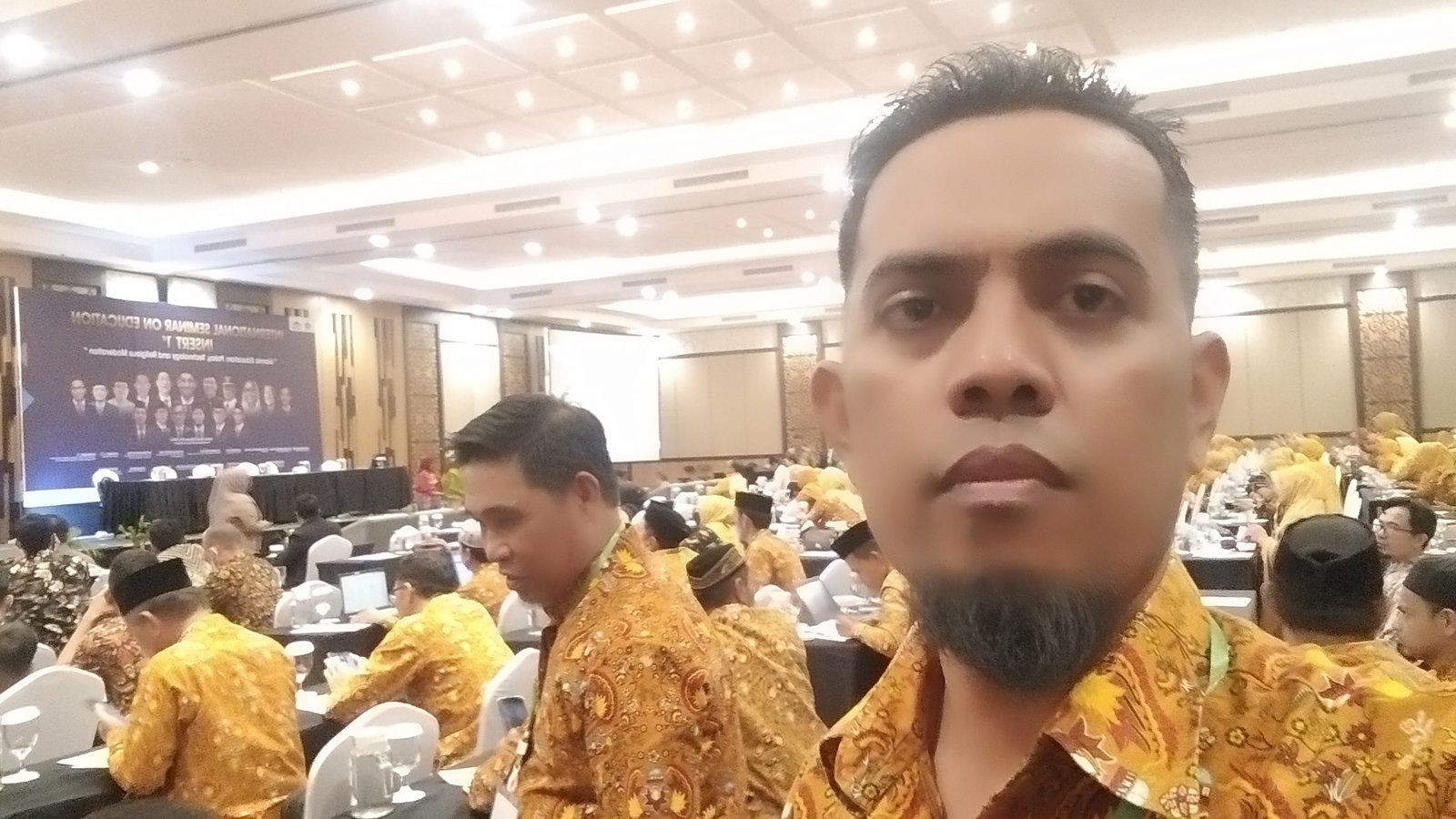
Hamka Taking
CCRL Alumni Batch 29
Teacher at UPTD SDN 3 Parepare, South Sulawesi
0 Comments