Written by Ranatha FS Lumentut
“Therefore, whatever you want others to do for you, do also the same for them.”
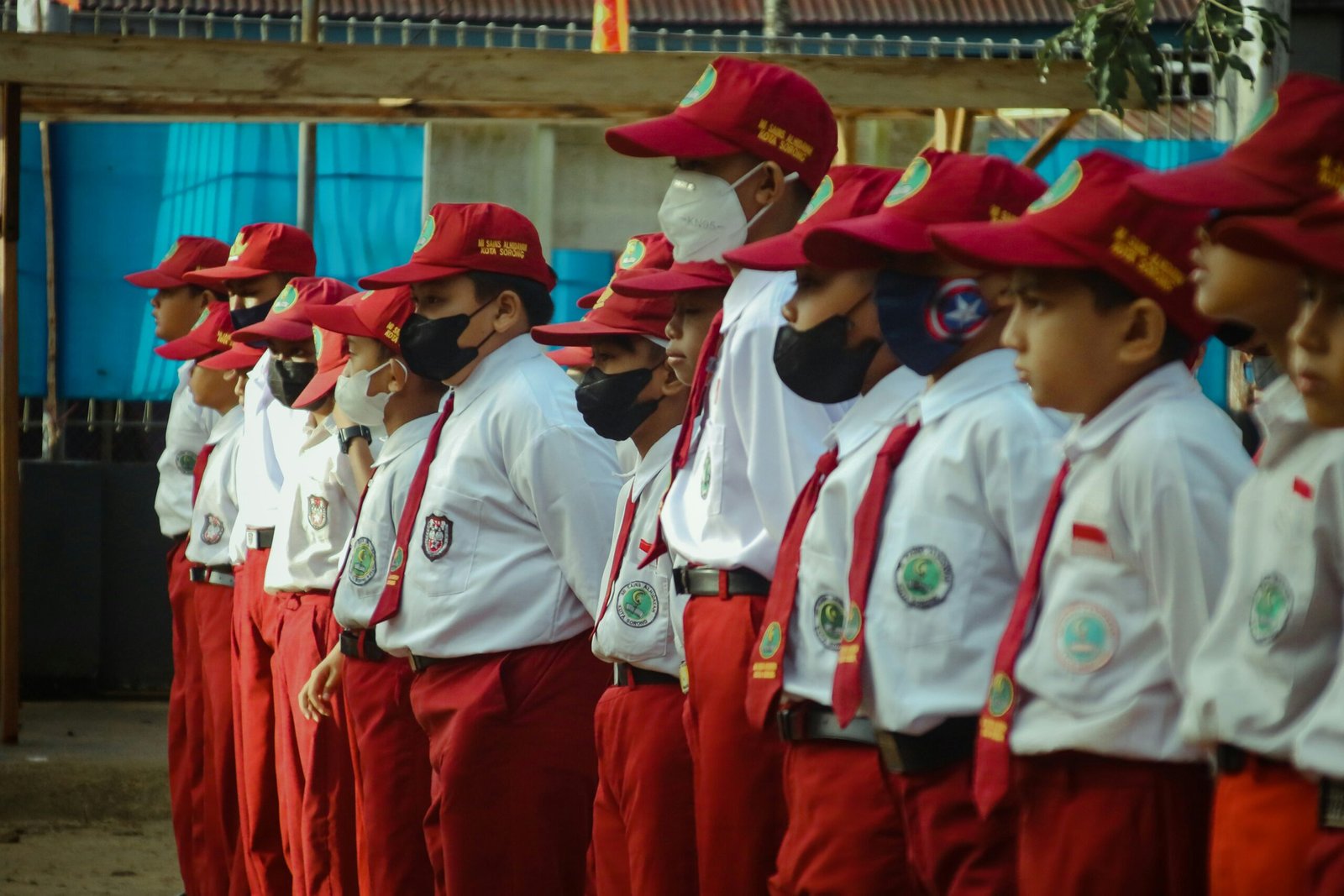
Attending public school is a desire for many students in Indonesia, driven by a certain prestige. Economically, the cost of public school is relatively low, even free. Its long history also means the institution is rich with experience. From elementary school to university, I always attended public schools. This made me proud, as not all of my friends were able to go to the same prestigious schools I attended.
It was in these public schools that I began my life experience with diversity, with being a minority and a majority.
There were many similar things I encountered throughout my school years. From elementary to high school, there were only about two to five Christian students in my classes of more than 30 students. I just thought, well, the number of Christians isn’t as large as the number of Muslims, so it’s understandable.
However, I couldn’t understand why every flag ceremony and school activity always began with a prayer from the Islamic faith led by a Muslim teacher. There were Catholic and Christian religion teachers, so why didn’t they take turns, or why weren’t teachers of various religions scheduled to lead the prayers? That was a question that remained unanswered for almost 12 years of my public schooling. Doesn’t Indonesia recognize a variety of religions? So why were prayers only offered in one faith?
I kept that question to myself without ever wanting to ask anyone. I also tried to make peace, not with my environment, but at least with my own thoughts. I would pray according to the teachings of my Sunday school teacher during ceremonies or other events. The good thing was, I had to be truly focused on my prayers. This was a positive way of comforting myself when I was a teenager.
Now, I am a teacher at a Christian school. I no longer experience being a minority. On the contrary, all the teachers are Christian, as are most of the students. Unlike my school days, it feels like I’m living in a comfort zone. I feel very free to talk about Christian teachings or play Christian worship songs from YouTube. It feels so good, especially since I wasn’t able to do that before.
But an uneasiness still arises in my heart, even though I am now in the majority at my workplace. I didn’t initially notice it, but my old thoughts resurfaced because now, at every flag ceremony or other school activity, the prayer I hear is a Christian one, and it’s led by a Christian student.
Is this only because of the sheer number of students? Is it an unintentional oversight, or is it just something that the majority rarely considers? What will my non-Christian students think? Will they feel the same way I did back then?
We can all be in the position of a majority, and we can all be in the position of a minority, whether for a short or long time. This is a situation we cannot avoid. It’s a good thing if we can find a common perspective to understand when we are in either of these situations. Let’s reflect on this together.
The simple experience above became a valuable lesson that has made me try to be wise in different situations and not focus on being a majority or a minority. Instead, I’ve started to think about the best things I can do as a human being for other human beings.
The phrase, “Therefore, whatever you want others to do for you, do also the same for them,” suddenly came to me while reflecting on this matter. Everyone wants to be understood, respected, and acknowledged. So let’s do that for others, especially when navigating the conditions of being a majority or a minority.
When in the majority, we should learn to be a community that provides protection and a sense of comfort to the minority, to love them and make them feel at “home.” Humility is absolutely necessary for the majority because the temptation to ignore the minority doesn’t usually lead to feelings of guilt. That’s probably because everyone else is doing the same thing.
A feeling of being sidelined can easily arise when in the minority, but we need to be logical as well. For example, daring to share ideas about diversity could be a brilliant thought that the majority has never considered. So, learn to be brave and contribute. This also requires inner effort. Feeling small and few is not a valid excuse to remain silent and become apathetic. So, let’s give ourselves.
One perspective we can take is to try to build the community we are in with our thoughts and concrete actions. Indulging our feelings doesn’t always take us anywhere. However, an open mind that tries to align itself with the nation’s values will lead to amazing experiences.
In my own classroom, I’m trying to make a change. Now, my classroom hears prayers from several religions. It feels wonderful because, as a majority, I can provide a little comfort for those who are in the minority.
When I go home, I become a minority again in my neighborhood. I try to enjoy it, for example, by accepting an invitation to a seven-day prayer memorial for a family member who has passed away. I choose to go because the hosts are surely happy when many people attend their event. Another time, my family held a thanksgiving gathering, and my neighbors came to my house and ate a lot of my mother’s dishes. They praised our food, saying it was delicious and abundant.
What I’m trying to do is a small step. Maybe no one even notices. But I am genuinely trying to be honest and sincerely apply Cross-Cultural Religious Literacy (CCRL). It’s never too late to learn, is it?
We can be in the position of a majority and we can be in the position of a minority, whether for a short time or for quite a long time, and this can happen to anyone as a condition we cannot avoid.
Writer’s Profile
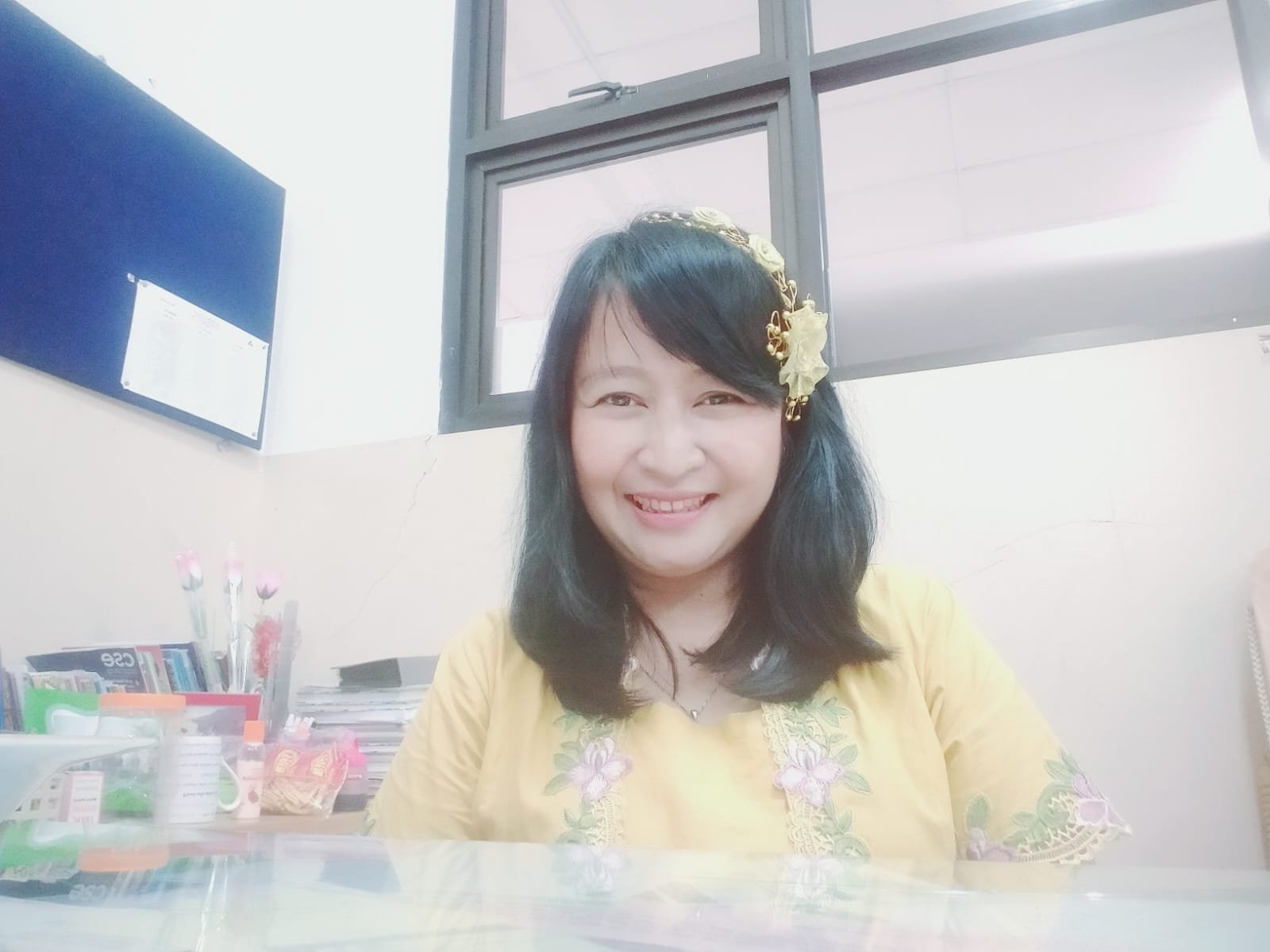
Ranatha FS Lumentut
CCRL Alumni Batch 27
Secondary Teacher at Tritunggal Christian School, Semarang
0 Comments