Written by Hesti Litiloly
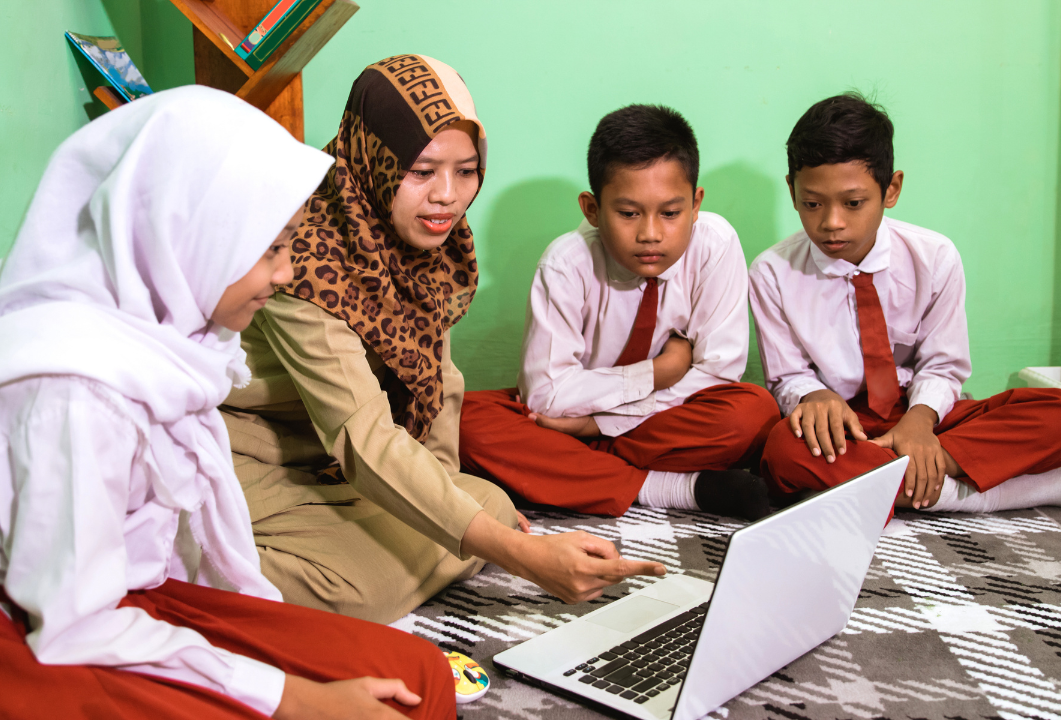
This article will discuss the relevance of Cross-Cultural Religious Literacy (CCRL) in the world of education. The term “literacy” refers to a set of abilities and skills in every individual for reading, writing, counting, and speaking in daily life. In the context of CCRL, this program aims to strengthen the existence and peaceful collaboration among religions in Indonesia through the role of educators, including teachers in madrasah (Islamic schools) and public schools, as well as religious counselors.
The rapid changes that have occurred over time, especially in technology, have caused the children of Indonesia to potentially forget their adab (good manners or etiquette). The pandemic further accelerated the use of technology in education. During the pandemic, teachers and students studied remotely using communication tools like smartphones and laptops.
Although the remote learning process brought many questions and criticisms, such as the teacher’s limited ability to convey knowledge as comprehensively as they could in person, students can gain more knowledge by browsing the internet.
Technology also allows us to learn about the diverse cultures in Indonesia and abroad. Indonesia itself has many cultures, including customs, traditional foods, local languages, and more. Despite this diversity, Indonesian society can still live in tolerance with one another.
One example of inter-religious harmony can be found in Maluku. In the Maluku language, this is called living as “orang basudara” (siblings) or “Pela Gandong.” In the philosophy of “Pela Gandong,” inter-religious life is highly upheld by the people of Maluku through a covenant that links one negeri (village) with another. Life together among different faiths in Maluku is very harmonious because of the concept of living as siblings, expressed in the saying: “Ale rasa beta rasa, sagu salempeng dipatah dua, cubit di situ rasa di sini.” This means, “You feel what I feel, a slice of sago broken in two, a pinch here is felt there,” signifying that everyone shares in both joy and sorrow. This is just a small picture of the life of people living as siblings in Maluku.
As educators and parents, we need to instill religious knowledge and adab in our children from an early age. The goal is for them to be able to interact well and politely with friends and in society. Children are expected to communicate, socialize, and behave well toward teachers, parents, and friends of the same or different religions, to create harmonious inter-religious life.
We hope that our students become children of the nation with good morals, serving as the hopeful sprouts for the future, because education is an important vehicle for achieving virtue in cross-religious and cross-cultural relations, both in schools and in the community.
Children are taught to interact well with friends of the same and different religions to establish good relationships and bonds. An educational system can be considered relevant if we, as teachers, parents, and community members, can be good role models and examples for our children and students, both in school and in the community.
The relevance of education in CCRL can be viewed from three aspects:
-
The first aspect is the relevance of education in the school environment, which is the responsibility of teachers to educate their students to be useful for their religion, country, and nation.
-
The second is its relevance in the community, where the educational system is expected to provide skills for socializing and adapting well to the environment.
-
The third is the relevance of education to current and future life developments, preparing the educational system to face possible changes in the demands of life due to future changes.
Based on these definitions, it can be concluded that relevance is the connection or suitability between education in schools and the community environment in jointly playing a role in developing the world of education.
All of these aspects of CCRL‘s relevance in education are closely interconnected. Therefore, as educators and parents, we must instill religious knowledge and adab in our children from an early age, so they can understand and interact with their teachers, parents, friends, and the community around them. Our children are expected to socialize well and politely with everyone, whether they share the same faith or not. Education is an important vehicle for educating, fostering, and guiding the nation’s children toward a brilliant future, including in their relationships with others.
We hope our students become children of the nation with good morals, serving as the hopeful sprouts for the future, because education is an important vehicle for achieving virtue in cross-religious and cross-cultural relations, both in schools and in the community.
Writer’s Profile
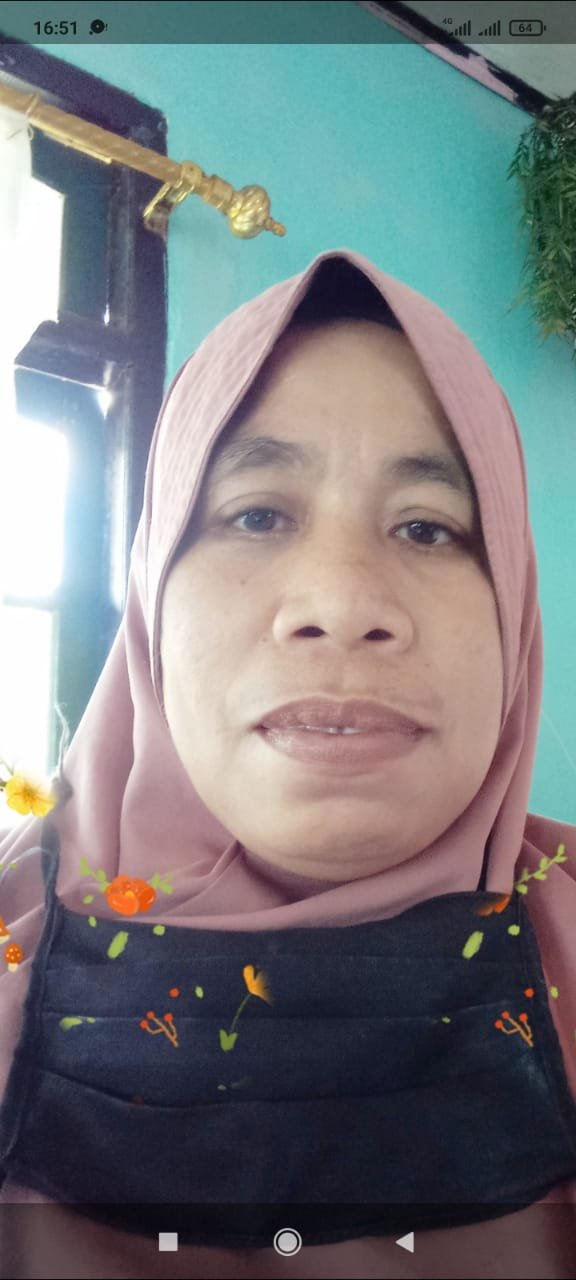
Hesti Litiloly
CCRL Alumni Batch 33
Teacher at MI Muhammadiyah Luhu, Kabupaten Seram Bagian Barat, Maluku
0 Comments