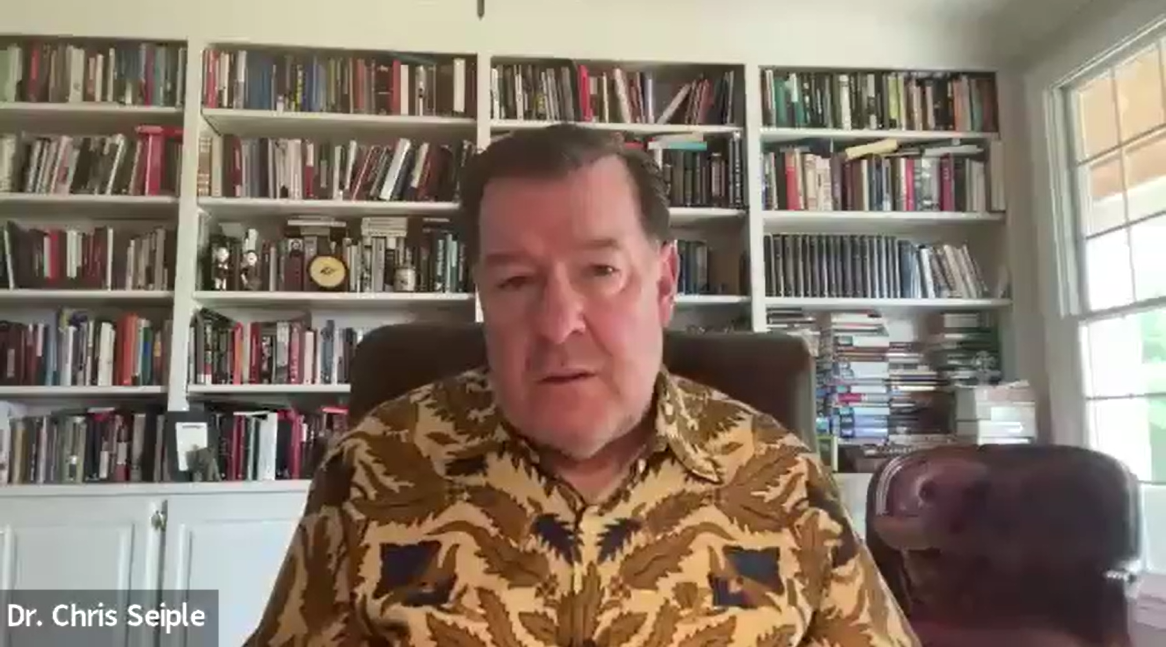
Instructor of Cross-Cultural Religious Literacy (CCRL) from the University of Washington, United States, Dr. Chris Seiple, explained the concept and implementation of CCRL in a training held jointly by the Human Resource Development Agency (BPSDM) of the Ministry of Law and Human Rights of the Republic of Indonesia and Institut Leimena, on June 17, 2025.
Jakarta, LKLB News – Dr. Chris Seiple, Senior Fellow at the University of Washington, United States (US), and instructor of Cross-Cultural Religious Literacy (CCRL), shared his experiences of interacting in the professional workplace with civil servants (ASN) participating in the CCRL training. Seiple served as a speaker in the CCRL class, a collaboration between the Human Resource Development Agency (BPSDM) of the Ministry of Law and Human Rights of the Republic of Indonesia and Institut Leimena, attended by 198 participants on June 16–19, 2025.
Seiple received many questions regarding the relevance of CCRL to the role of civil servants in maintaining pluralism. He stated that CCRL is essential for civil servants to act inclusively and fairly in providing services to all members of society regardless of religion, ethnicity, race, and other differences.
“Cross-Cultural Religious Literacy is not syncretism, not secularism, and not condescending. On the contrary, it is an attitude of humility, a willingness to listen, to learn, and to respect one another,” said Seiple, who, together with Dennis R. Hoover, wrote the article “A Case for Cross-Cultural Religious Literacy.”
One of the questions from participants was about the urgency and benefits of implementing CCRL. Dr. Seiple explained that there are at least two benefits, namely strategic and tactical. At the strategic level, CCRL encourages the realization of positive interactions with people from different backgrounds.
“The more often someone interacts positively with others who are different, the greater the trust that will be built between them,” he said.
At the tactical level, Seiple highlighted the importance of CCRL as a step toward creating a workplace that respects plurality. According to Seiple, if employees do not feel accepted, their loyalty will disappear. He gave an example of an initiative in the United States to form safe spaces as a forum for workers of various religions, known as Employee Resource Groups (ERGs).
“When employees feel that their identities are fully accepted in the workplace, they will be more loyal and productive,” he stressed.

The CCRL approach can be applied in various aspects of life, including in the workplace as state servants or civil servants (ASN).
Seiple used the workplace as a metaphor for a country. If employees feel valued and included, then the products and reputation of the company will be better. Likewise in national life. “The more people believe that their story is part of the nation’s story, the greater their loyalty to the country,” he explained.
Seiple acknowledged that differences in beliefs and perspectives, for example in theological or political matters, cannot be avoided. However, positive interactions instilled through CCRL competencies will foster trust which ultimately leads to social cohesion in society.
“Good social cohesion produces stability. Stability is an important factor for attracting investment and creating jobs. This is needed by all countries, especially young people, and as is well known, Southeast Asia is dominated by a young population,” he said.
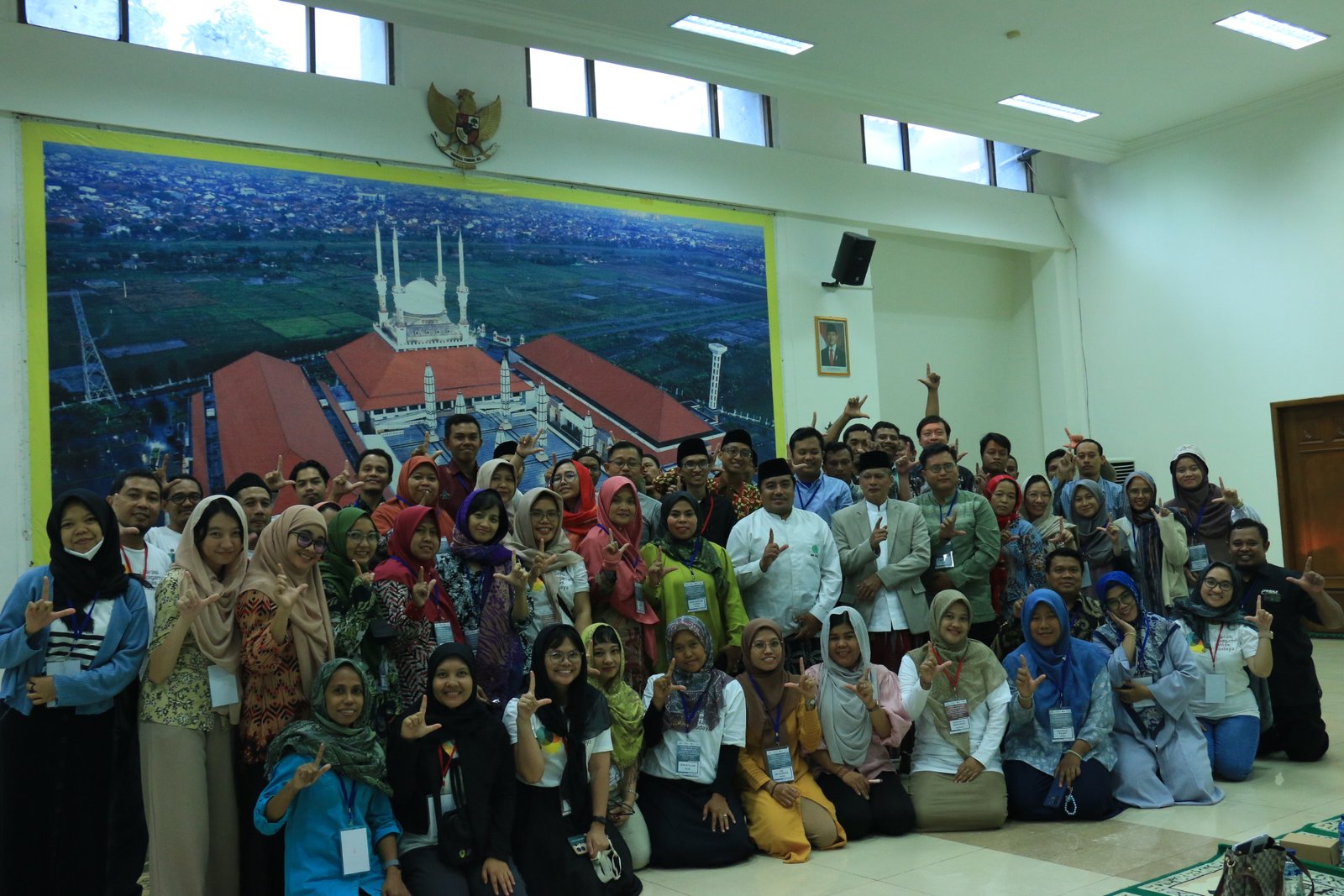
The CCRL program provides opportunities for participants who have completed online training to take part in various follow-up activities, one of which is the Hybrid Upgrading Workshop, which further opens spaces for interfaith encounters.
Breaking Stereotypes
Seiple was also asked about the role of CCRL in breaking down stereotypes and prejudices. In response, Seiple referred to his encounter with Akram Khan Durrani, a Muslim leader from Pakistan. He admitted that the meeting changed his perspective, particularly the one that had emerged after the 9/11 terrorist attacks.
Seiple emphasized that his change of prejudice toward Islam did not occur through debate, but through an honest and empathetic encounter. Seiple asked Durrani what had motivated his work all this time. The answer he received was deeply moving: Durrani believed that his leadership would one day be held accountable before God.
“I also believe that. Here lies the opportunity for collaboration—by focusing on the things we believe in together,” Seiple stressed.
Seiple then invited his Muslim friend to see Ground Zero in New York, the site of the 9/11 attacks. For Seiple, this moment was significant because both of them could feel each other’s pain. According to him, the core message of CCRL is building interfaith encounter spaces that enable mutual trust to grow. Even though differences remain, shared values can still be found.
“The key is to spend time together with people who are different, even if at first it feels uncomfortable,” he said.
Another question posed to Chris Seiple was about how to deal with colleagues from different backgrounds who had not yet been equipped with CCRL. According to Seiple, CCRL emphasizes the importance of sensitivity and sincerity in building communication. He noted that many government employees are obsessed with speed. They want to finish quickly so they can move on to other matters. Instead, he said, healthy relationships will actually speed up work in the future.
“Do it slowly so that you can go fast,” said Seiple.