TRAINING PROGRAM
International Certified Program: Introduction to Cross Cultural Religious Literacy for Teachers and Religious Counselors
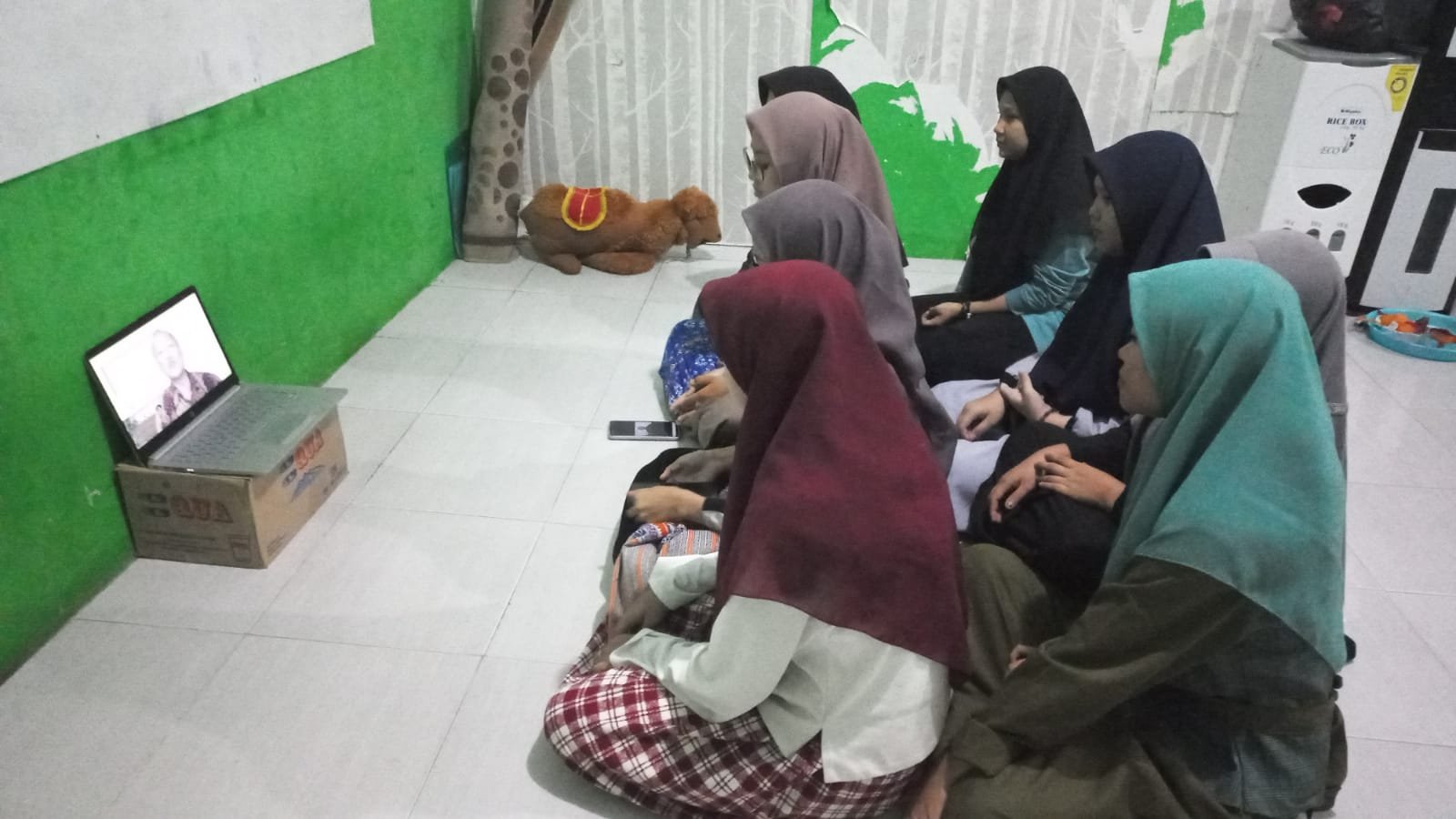
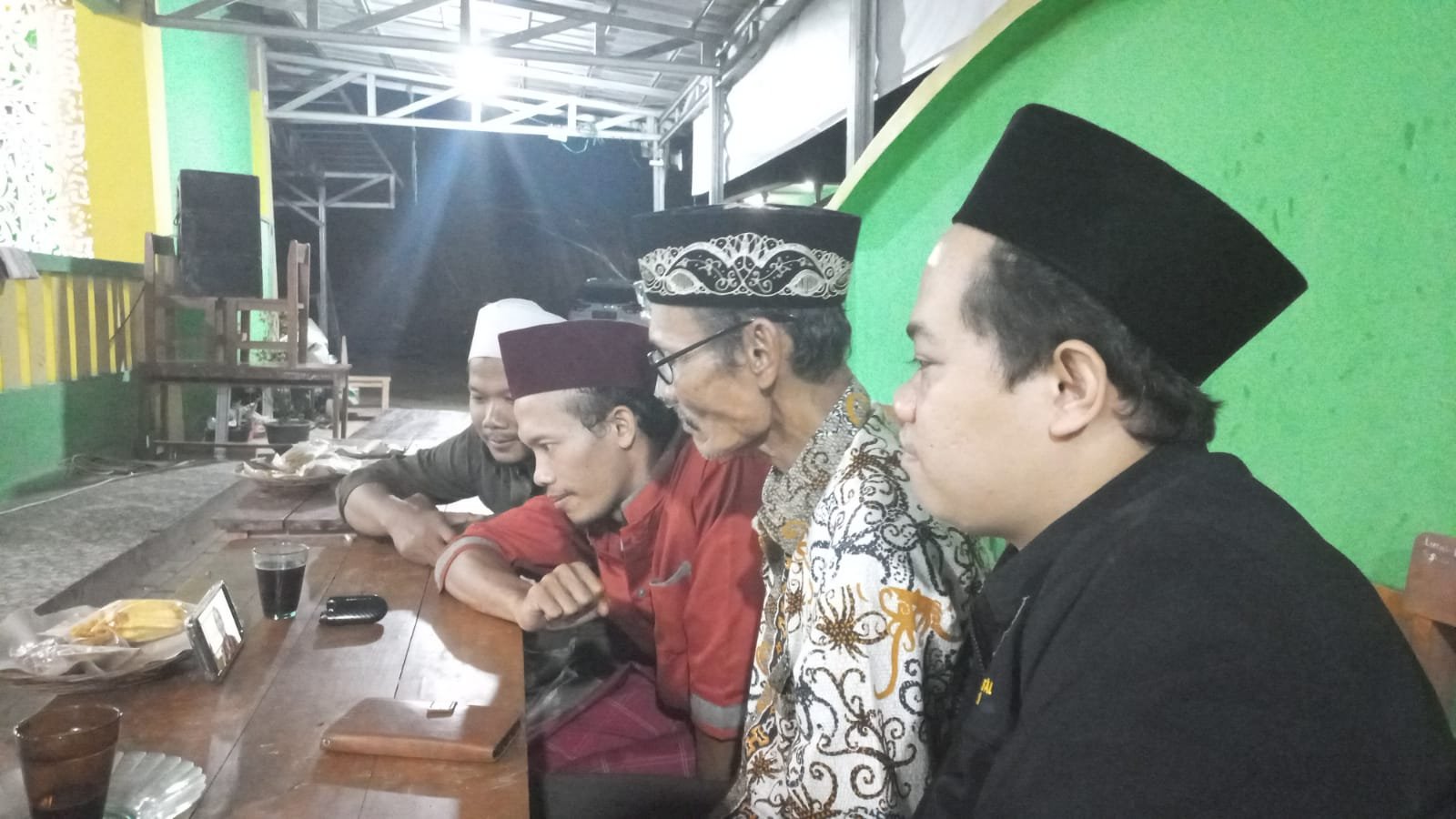
This program aims to strengthen peaceful interfaith coexistence and collaboration in Indonesia by introducing Cross Cultural Religious Literacy for teachers and religious educators.
cross-cultural
religious literacy
PERSONAL
COMPETENCy
COMPARATIVE
COMPETENCy
cOLLABORATIVE
COMPETENCy
Cross-Cultural Religious Literacy
Cross Cultural Religious Literacy requires us to be able to reflect on the philosophy/theology/religious views of our own faith in relation to other religions, leading to practical and positive participation in a multi-faith and global world. Such a world will need friends from diverse faiths to strive for the common good. Simply put, we must first understand ourselves (personal competency), then understand other religions as they understand themselves (comparative competency), and only then can we understand the nature and requirements of leadership to bridge cultural and religious boundaries in order to achieve real collaboration, which will lead to civic solidarity (collaborative competency).
Additionally, we must recognize that these competencies are not linear, but rather interdependent and mutually reinforcing. Indeed, we often begin to understand ourselves through participation with others. From our experience, “the other” is not always encountered out of altruistic intent, but often out of personal necessity in facing shared challenges. It is human instinct that our hearts follow the hard work of our hands, until eventually our minds come to accept it.
At times, the only way to confront stereotypes and prejudice is by humanizing our collaboration with one another.
.

Personal Competency
Having “personal competency” means understanding our own moral, epistemological, and spiritual frameworks by studying our sacred texts and oral traditions, including what has been written regarding interaction with other religions. This also includes understanding why and how our character develops and deepens. As mentioned earlier, older literature on religious literacy often neglected the role of the ‘self’ as a starting point — sometimes omitting the notion of the ‘self’ altogether. Lenn Goodman (2014, 1, 3) observed that self-knowledge is essential for sincere and authentic dialogue and participation.
Successful dialogue requires us to know and recognize who we are, what we believe and care about, and that those called ‘others’ are indeed other people (different from us). Without the discipline of self-knowledge to accompany our curiosity, our interest collapses into mere speculation… The self-knowledge that pluralism demands is hard-won. It means making peace with oneself, reconciling what we inherit with our personal insight and existential vision, and integrating ourselves into a community — even as we distinguish ourselves from that community. In every healthy society, pluralism requires at least tolerance. Religious tolerance does not mean equating everything. Pluralism protects differences. What it requires is respect.

Comparative Competency
To have “comparative competency” means to understand the moral, epistemological, and spiritual frameworks of our neighbors (other faiths), as they understand them, and to understand what their religion says about interreligious relations. This dimension of religious literacy covers many topics typically addressed in comparative religion courses. However, we must also emphasize the importance of understanding the lived religion of adherents from other faiths, in their particular contexts. In other words, what are the moral boundaries in someone else’s framework that allow a person to belong to a certain group and/or place?
In raising this question, we must recognize that what truly matters in someone’s spiritual journey does not necessarily align with the official doctrines of that religion.
Collaborative Competency
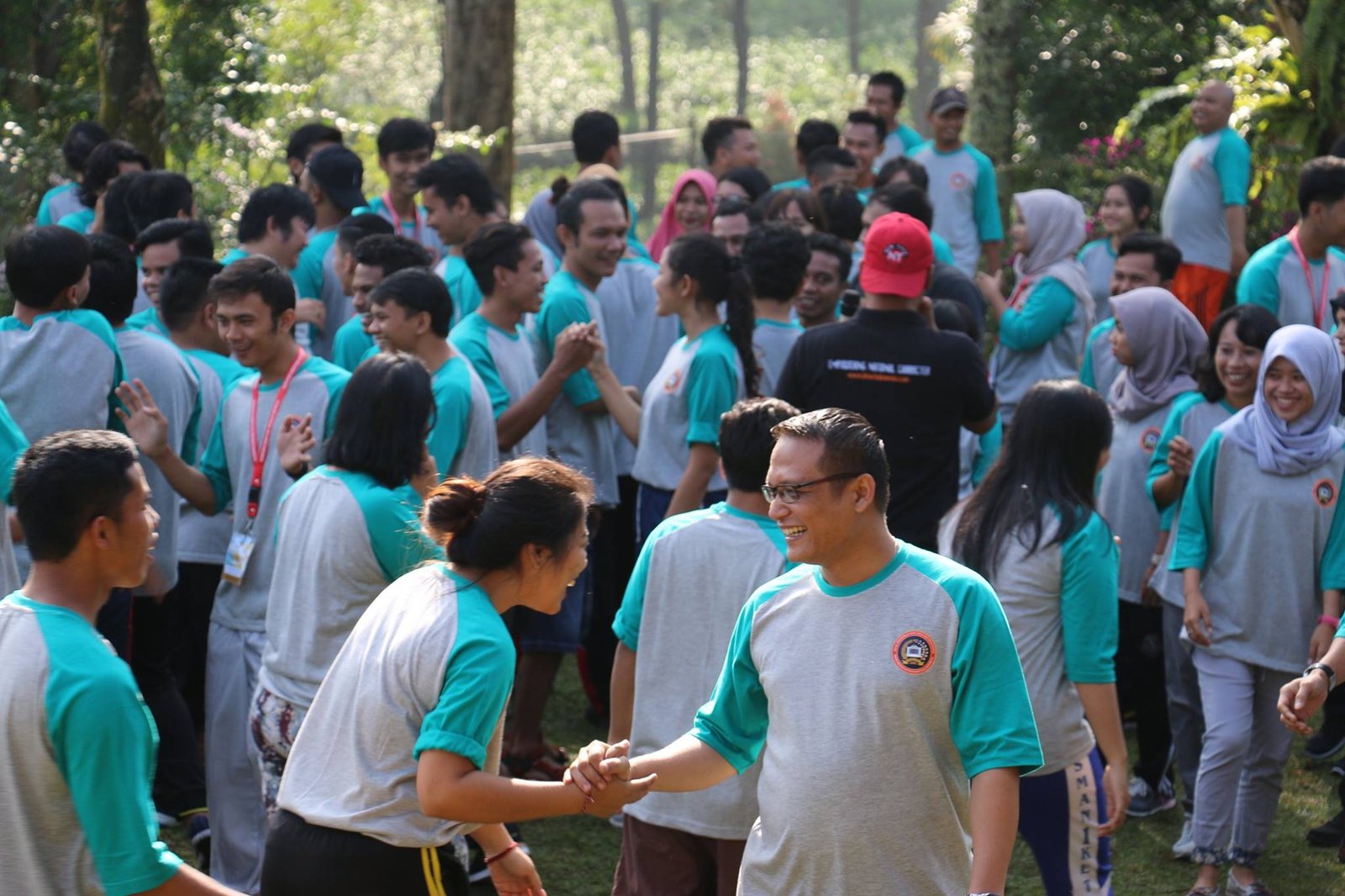
“Collaborative competency” refers to knowledge about a specific place or context where two or more different moral frameworks — typically from different religions — meet as individuals or institutions with a shared goal. Collaborative competency means understanding the spiritual, ethnic, and/or organizational cultures relevant to developing and implementing a joint project or program.
It occurs when individuals or institutions move beyond mere coexistence (diversity), toward self-awareness and awareness of the other, and finally to reciprocal participation, which is at the heart of healthy pluralism.
When crossing into another’s context, we must always respect the lived realities of that specific place, and situate the cooperation and resulting projects within the spiritual, secular, ethnic, and organizational culture of our counterparts — while recognizing the dynamics of power at play.
This applies particularly when we initiate engagement with another group. And the moment we cross into their world, it is no longer just engagement — it becomes leadership, because both sides must shape a shared goal that can accomplish the task at hand, including engaging government officials and civil society actors (many, or even most, of whom may not be religious).
Receive our latest update!


Follow CCRL Social Media: