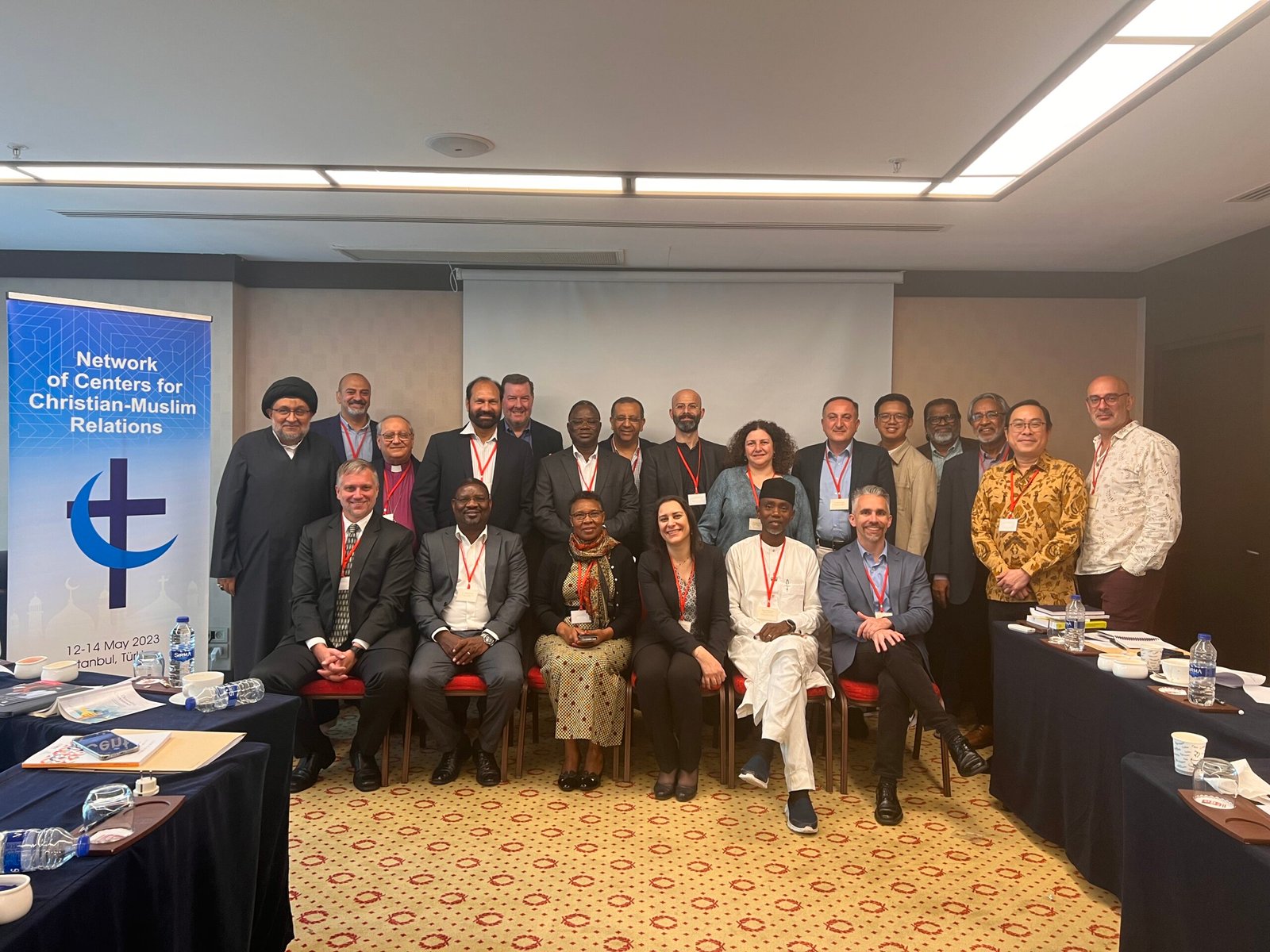
Istanbul, LKLB News – The Leimena Institute was one of the institutions invited to a meeting of centers and organizations from various countries to develop Christian-Muslim relations. The meeting, titled “Network of Centers for Christian-Muslim Relations,” was initiated by ScholarLeaders International, a U.S.-based nonprofit organization with the mission of empowering Christian theological leaders.
“The purpose of this meeting is to facilitate and connect various study centers and institutions that seek to develop and strengthen relationships and understanding between Christians and Muslims,” said the Executive Director of the Leimena Institute, Matius Ho.
The meeting, held in Istanbul, Turkey, on May 12–14, 2023, was attended by 18 representatives of institutions and organizations from 12 countries, most of which came from Africa and the Middle East. Leimena Institute’s Executive Director, Matius Ho, represented Southeast Asia together with Dr. Albert Sundararaj Walters, Professor of Islamic Studies at the Seminari Theoloji Malaysia.
Matius explained that the meeting was still in an exploratory stage to see how effective the inter-institutional and cross-national networks could be in building Christian-Muslim relations. The main session featured Senior Research Fellow at the University of Washington, Dr. Chris Seiple, who explained the concept of Covenantal Pluralism. Dr. Seiple is also one of the initiators and key speakers of the Cross-Cultural Religious Literacy (CCRL) program in Indonesia.
“I explained about the CCRL program, which is based on the theory of Covenantal Pluralism. Hopefully, if this network is realized, it can also benefit CCRL in Indonesia,” said Matius.
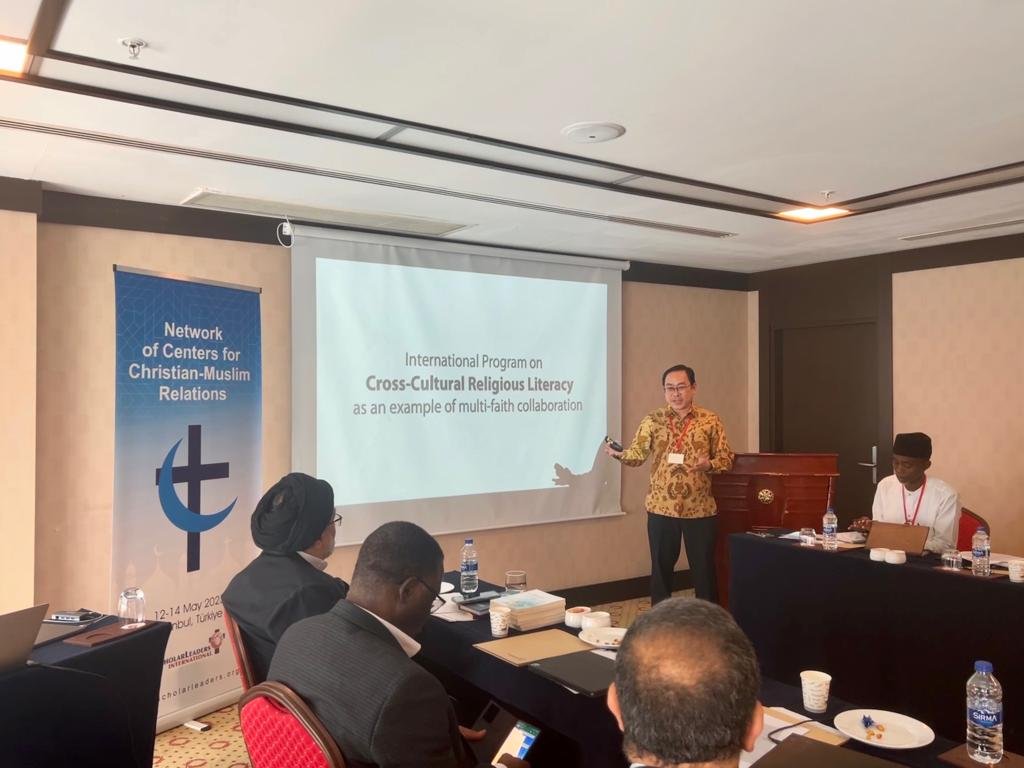
Executive Director of the Leimena Institute, Matius Ho, presenting about the Cross-Cultural Religious Literacy program.
Center for Middle Eastern Christianity at the Evangelical Theological Seminary in Cairo, who explained the purpose and rationale for the event. The main session on Covenantal Pluralism by Dr. Chris Seiple emphasized that Covenantal Pluralism is comprehensive—both top-down through constitutions and policies, and bottom-up through social and cultural norms and practices in society.
Subsequent sessions featured presentations from institutional representatives participating in the event. Matius Ho explained the background of the Leimena Institute’s founding and its concrete work to foster interfaith collaboration through the CCRL program.
According to Matius, the practice of Covenantal Pluralism has long been embedded in Indonesia through the Youth Pledge (Sumpah Pemuda), Pancasila, and Bhinneka Tunggal Ika. Indonesia does not blur its differences, but instead respects them, while choosing to unite based on shared agreements.
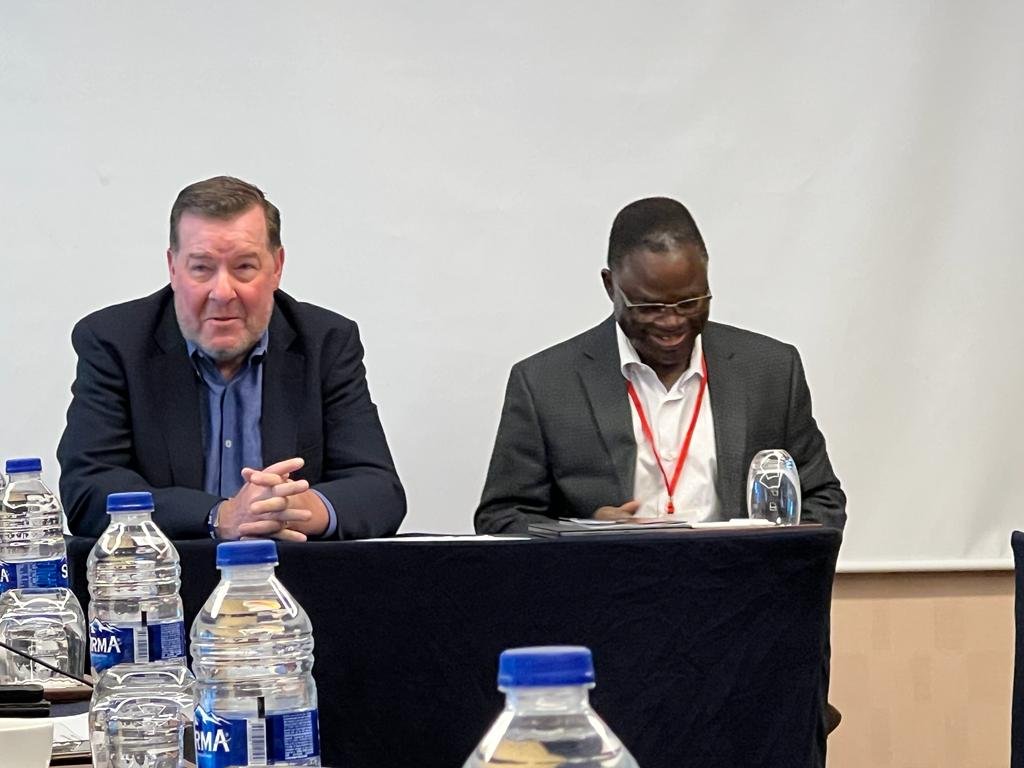
Senior Research Fellow at the University of Washington, Dr. Chris Seiple, and Director of the Sanneh Institute, Ghana, Dr. John Azumah.
Other institutional leaders present included Archbishop Moneer Hanna Anis (Director of the Center for Christian-Muslim Partnership and Understanding, Cairo, Egypt), Dr. John Azumah (Director of the Sanneh Institute, Ghana), Dr. Renee Hattar (Director of the Royal Jordanian Institute for Inter-Faith Studies, Jordan), Dr. Elias Halabi (Director of the Christian-Muslim Studies Center at Balamand University, Lebanon), and Abdullah Al-Muaz Bin Mohamed Fatris (Senior Executive of the Islamic Religious Council of Singapore).
Also in attendance were Dr. Syed Aftab Haider (Director of the Ahlul Bait Foundation, South Africa), Dr. Joseph Mutai (Dean of Students and Professor of Christian-Muslim Relations at Saint Paul’s University, Kenya), Imam Abdulkareem Majemu Shefiu (Director of the Center for Strength-in-Diversity Development, Nigeria), Dr. Nayla Tabbara (Director of the Adyan Foundation, Lebanon), Dr. Maqsood Kamil (Director of the Arete Institute of Management and Leadership, Pakistan), and Justin Meyers (Director of the Al-Amana Center, Oman).