Written by Abdul Kholiq
Prior to participating in the Cross-Cultural Religious Literacy (CCRL) program, I knew almost nothing about tolerance, moderation, harmony, or other related concepts. This was because I rarely followed news on these topics through print media or other sources. My neighborhood was a peaceful and comfortable place where people lived in harmony, as the residents were relatively homogeneous in terms of religion, ethnicity, and socioeconomic status.
In my neighborhood, people respected each other, even though some residents still held on to old Javanese traditions like the village cleansing ceremony (bari’an) or giving offerings (sesajen) at large trees (punden) or rice fields before harvest. None of this caused any conflict or made people feel they were better than others. On the contrary, everyone coexisted in harmony and mutual respect.
When I moved to an urban area, daily life was relatively similar. People lived peacefully even though the community was more diverse, with different religions, beliefs, and ethnicities. Houses of worship weren’t monopolized by a single group. People helped each other and worked together on social and economic activities, while also respecting each other’s religious practices. They didn’t mock each other or feel superior. Together, they maintained the safety of the neighborhood from external threats or irresponsible individuals. It was a pleasant and comfortable life, with little to no conflict. If there were issues, they were usually about economic matters or jobs, not SARA (ethnic, religious, racial, or inter-group) issues.
I realized that peaceful coexistence and tolerance were already a part of daily life for most Indonesians. Despite the harmony in my own diverse community, I often saw news on television about riots or friction between people of different religions and beliefs. Even worse, TV and newspapers reported conflicts between people of the same religion but from different schools of thought. All of this added to my experience of living in a pluralistic society that should be mutually respectful and helpful. It also made me wonder about the root causes of these problems.
Discovering Cross-Cultural Religious Literacy
When COVID-19 hit Indonesia and the world, many social activities were restricted by the government to prevent the spread of the disease. People could hold events, but with very limited attendance, so it was better to stay home and work from the office or elsewhere. Many educational institutions, including madrasahs, were confused by this disease. How could so many students not meet, and how could they study through Zoom? This situation gave teachers a lot of free time. Thankfully, higher education institutions and other organizations took advantage of this by holding seminars, workshops, webinars, and online training.
The State Islamic University (UIN) Sunan Kalijaga Yogyakarta, in collaboration with the Leimena Institute Jakarta, held a CCRL training program over several days. The event was attended by various people, including teachers, education practitioners, writers, and others. The speakers were experts in their fields. The materials covered a variety of topics, especially personal competence, comparative competence, and collaborative competence.
-
Personal competence makes us more confident in our own religion and beliefs, so we aren’t easily shaken or influenced by other temptations.
-
Comparative competence helps us understand the teachings of other religions and beliefs, fostering mutual respect and tolerance among religious communities, which leads to a harmonious life free from conflict.
-
Collaborative competence teaches us that even with different beliefs and religions, we can still work together to create a safe, comfortable, and peaceful life. This applies to various dimensions of social life but not to ritual matters, which are a personal domain.
From Theory to Practice
After attending the program, my understanding expanded significantly. It was no longer narrow and limited like before. The training encouraged us to understand that we live in a heterogeneous world, especially in Indonesia, and we should not feel that we are always right, or act as we please. We are not alone in this world; there are others with different religions and beliefs. This realization helps to maintain tolerance among religious communities.
The next event was a workshop in Malang, held offline and with a limited number of participants. I was so enthusiastic about attending that I got lost on the way because I was in a hurry and overly confident about knowing the location. This event enriched my understanding of CCRL because I could directly exchange thoughts and opinions with other alumni and experts who were also present. Furthermore, the event gave participants an opportunity to directly engage with a community of a different religion and belief than their own. It turned out that our fellow citizens shared the same understanding, especially in terms of comparative and collaborative competence. From my interviews with them, they also hoped for a religious life of mutual respect and tolerance, because all religions teach people to live in harmony and peace.
A Collective Effort for a Harmonious Indonesia
To conclude this essay, the CCRL program initiated by the Leimena Institute, along with other institutions such as UIN Sunan Kalijaga Yogyakarta and the Maarif Institute, deserves our full support. It is a shared effort by a caring community to create a harmonious national life, with high levels of mutual respect and tolerance, far from conflict. If religious and belief issues can create a harmonious life, then other problems can too.
Their tireless and selfless efforts to achieve the shared goal of a harmonious, peaceful, and prosperous life are worthy of our appreciation. If only everyone in Indonesia—and the world—had the same mindset as this community, there would be no more riots or religious conflicts, and society would live side by side in harmony and comfort. The efforts of UIN Sunan Kalijaga and the Leimena Institute with the CCRL program, the Ministry of Religious Affairs with its “Religious Moderation” program, and the Ministry of Education with the “Merdeka Curriculum,” the Project for Strengthening the Pancasila Student Profile (P5), and the Student Profile of a Mercy to All Worlds (P2RA) are all synergistic, working together to create a harmonious life far from riots and conflict. May their noble aspirations be achieved. Amen.
The CCRL program, initiated by the Leimena Institute in collaboration with institutions such as UIN Sunan Kalijaga Yogyakarta and the Maarif Institute, deserves our support. It’s a collective effort by a caring community to create a harmonious national life, characterized by mutual respect and high tolerance, free from conflict and friction.
Writer’s Profile
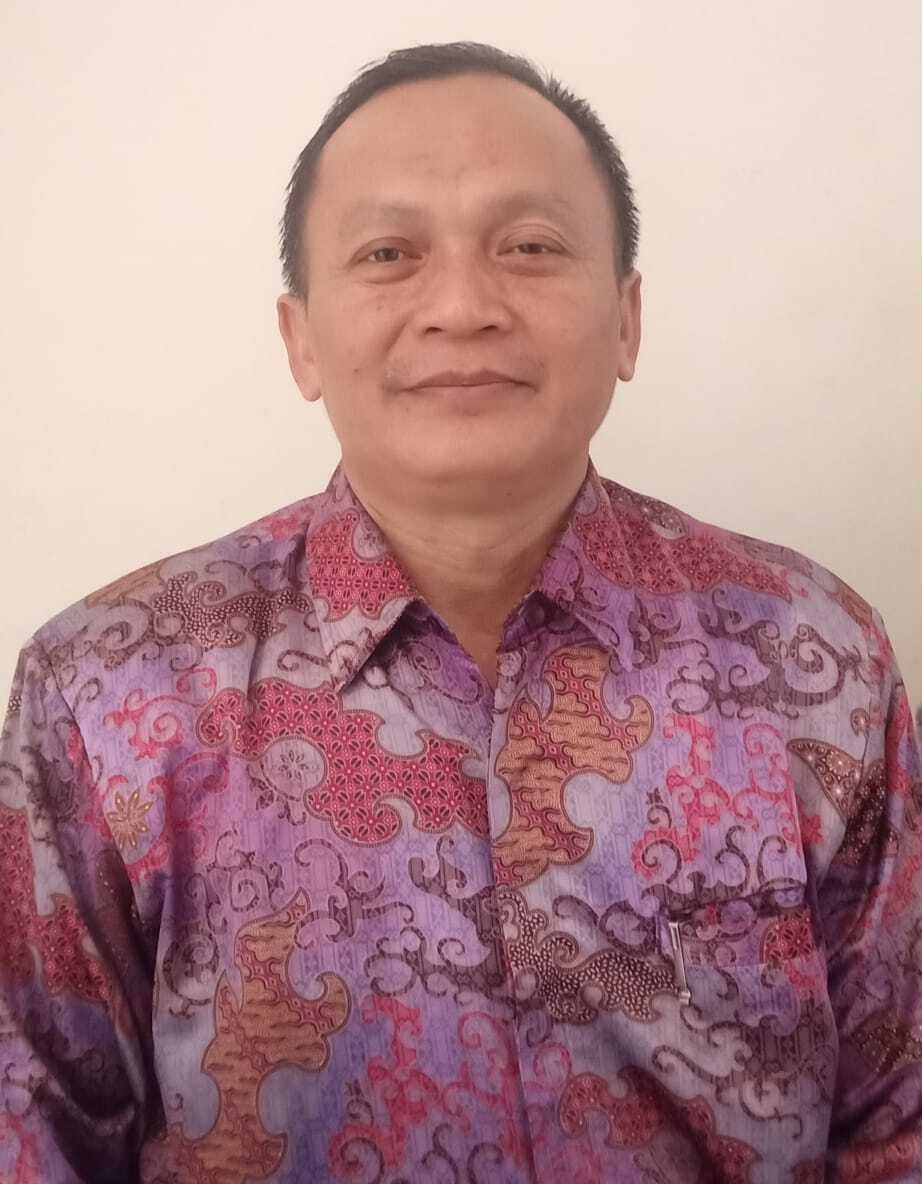
Abdul Kholiq
CCRL Alumni Batch 5
Teacher at MTs Negeri 7 Kediri, East Java
0 Comments