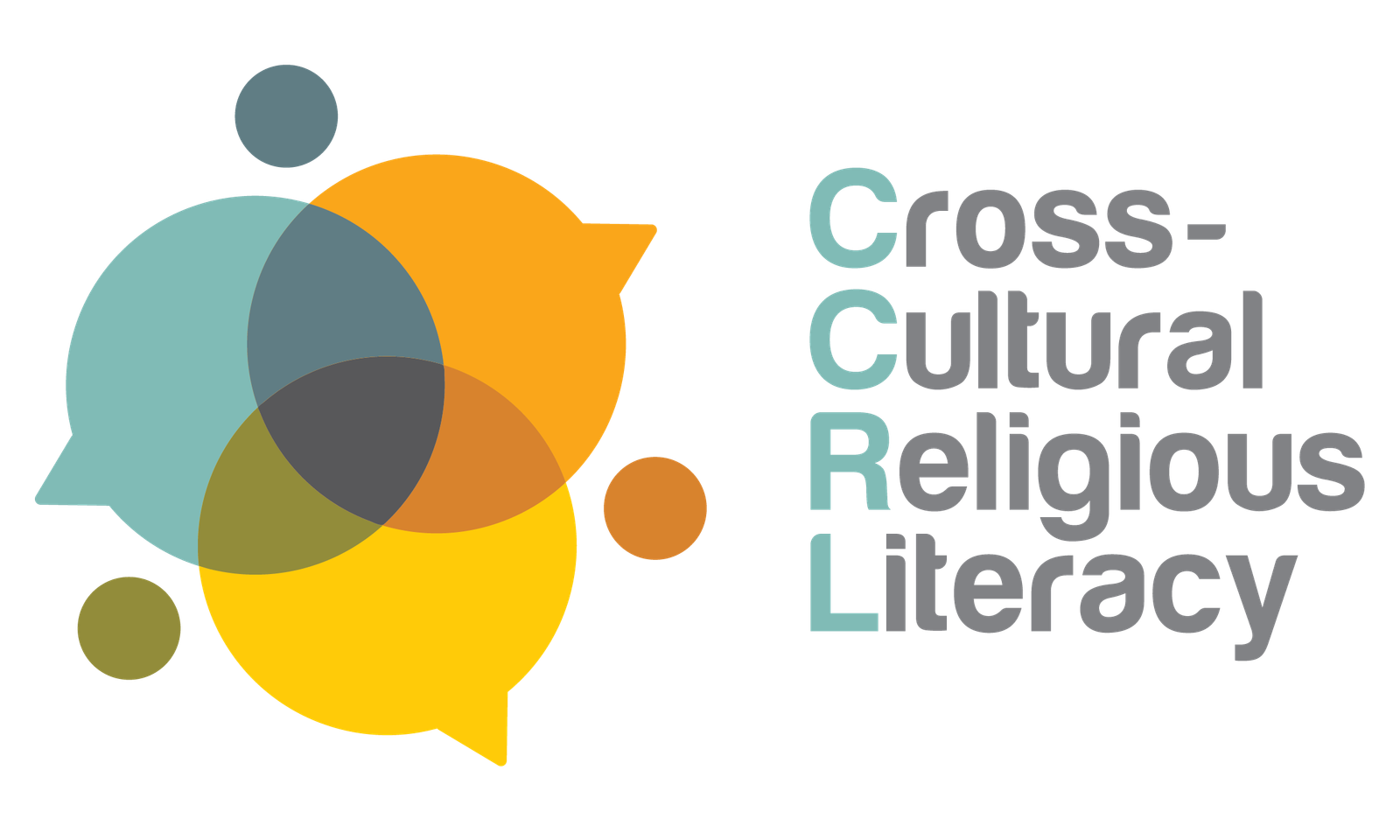

Speakers and the moderator of Panel Session 2 on the theme “Religious Literacy to Promote Human Dignity in a Multi-Faith” in the International Conference on Cross-Cultural Religious Literacy, Monday (11/13/2023).
Jakarta, LKLB News – The method of religious education taught in schools today is considered to have become rigid because it provides little space to recognize differences or plurality. This condition can trigger various cases of worship bans due to the lack of empathy between religious communities.
This was conveyed by Senior Fellow of the Leimena Institute as well as Member of the Steering Committee of the Agency for Pancasila Ideology Development (BPIP), Prof. Amin Abdullah, during Panel Session 2 titled “Religious Literacy to Promote Human Dignity in a Multi-Faith” held in the framework of the International Conference on Cross-Cultural Religious Literacy organized by the Ministry of Law and Human Rights and the Leimena Institute at Hotel Indonesia Kempinski, Jakarta, Monday (11/13/2023).
“We see that teachers from elementary/MI, junior high/MTs, to senior high/MA are not given access to know and understand the religious teachings and beliefs of groups different from themselves. As a result, they face the politics of religious education, leading to prohibitions due to rigidity in the method of religious education,” said Prof. Amin.
The professor of philosophy at Sunan Kalijaga State Islamic University (UIN), Yogyakarta, said that religious literacy is very important to be introduced in order to promote human dignity in a multicultural era. If relying only on legal rules, then the enforcement of human rights will become very difficult.
“If we are only trapped in the matter of legal rules, I think it will be very difficult to uphold human rights. Therefore what is important now is religious literacy through education,” said Amin Abdullah.
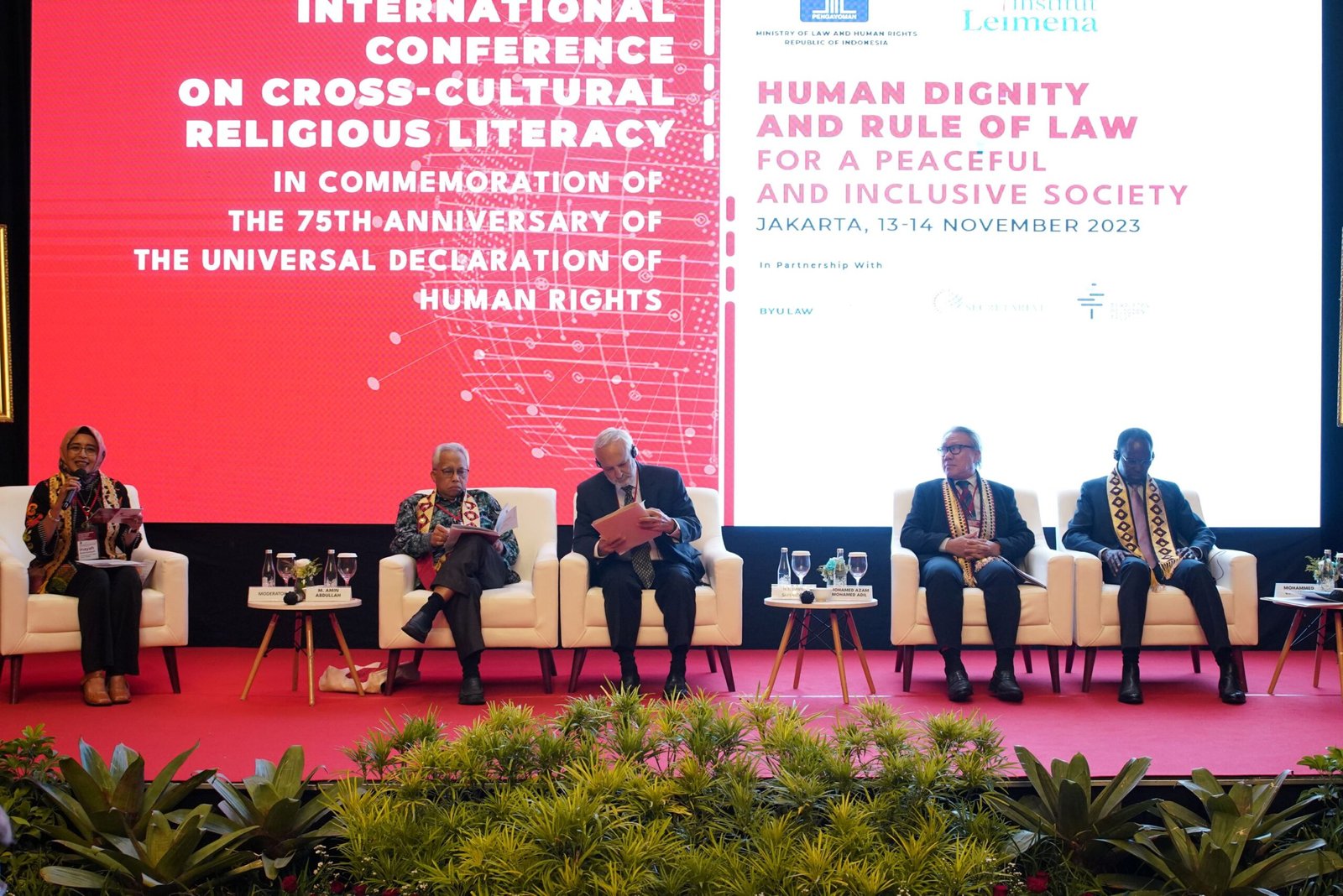
Dean of the Faculty of Ushuluddin and Islamic Thought at UIN Sunan Kalijaga Yogyakarta, Prof. Inayah Rohmaniyah, was the moderator of Panel Session 2.
According to him, efforts to break through rigidity in religious education have been carried out by the Leimena Institute together with its various partner institutions in the country through the cross-cultural religious literacy (LKLB) program. The goal is to help teachers, especially religious teachers and counselors, throughout Indonesia to become acquainted with religious literacy.
“To be able to enter into respecting human dignity through education, not only through legal channels,” said Amin.
At present, Amin continued, there are already about 6,000 teachers who have joined the LKLB program. They are happy to receive this training because they obtain new knowledge not found in their previous education, which allows their thinking to become more open regarding religious and cultural diversity.
Amin explained that there are three competencies implemented in LKLB, namely personal competence, comparative competence, and collaboration. Personal competence teaches religious teachers as well as other teachers to fully understand and know their own religion as thoroughly and well as possible. Teachers must understand the holy book in its entirety, not fragmented according to particular interests.
Comparative competence teaches teachers not only to understand their own religion, but also to know the religions of others. Meanwhile, collaboration competence is expected to enable teachers to collaborate within a highly multicultural country.
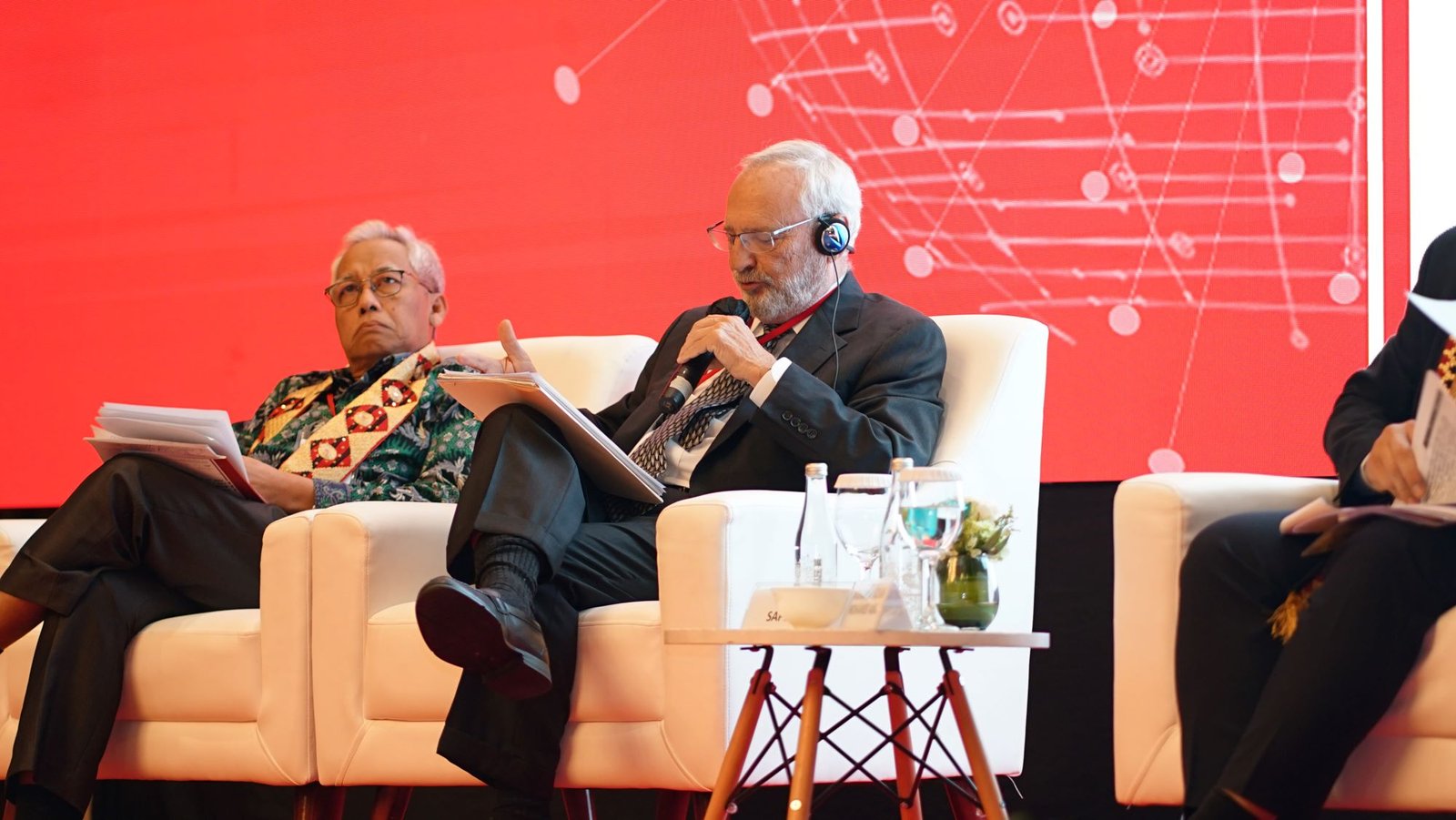
Former United States Ambassador-at-Large for International Religious Freedom, David Saperstain, delivering his presentation.
Not Dependent on Religious Identity
Meanwhile, Former United States Ambassador-at-Large for International Religious Freedom, David Saperstain, said that the rights of individuals as citizens must not depend on their religious identity or beliefs, even on their religious or belief practices. On the contrary, human rights must be acknowledged by treating all people equally in equality.
“A Greek philosopher said that the relation is I and you, not the relation I and it. Because if it is you and it, it means we make the other person an object; if we have already started that, we consider someone no longer human, and this is the dangerous path that can lead to persecution, violence, even war,” said Saperstain.
Saperstain continued that society must embrace the humanity of those who embrace different religions in the form of tolerance. Tolerance is the stage where humans are ready to acknowledge freedom and understand other humans of different religions, beliefs, or cultures.
“In cross-cultural religious literacy, there is dialogue and discussion addressing differences without being restrained by fear. Socializing and learning from one another the meanings and teachings of other religions, and being able to discuss them peacefully,” he said.
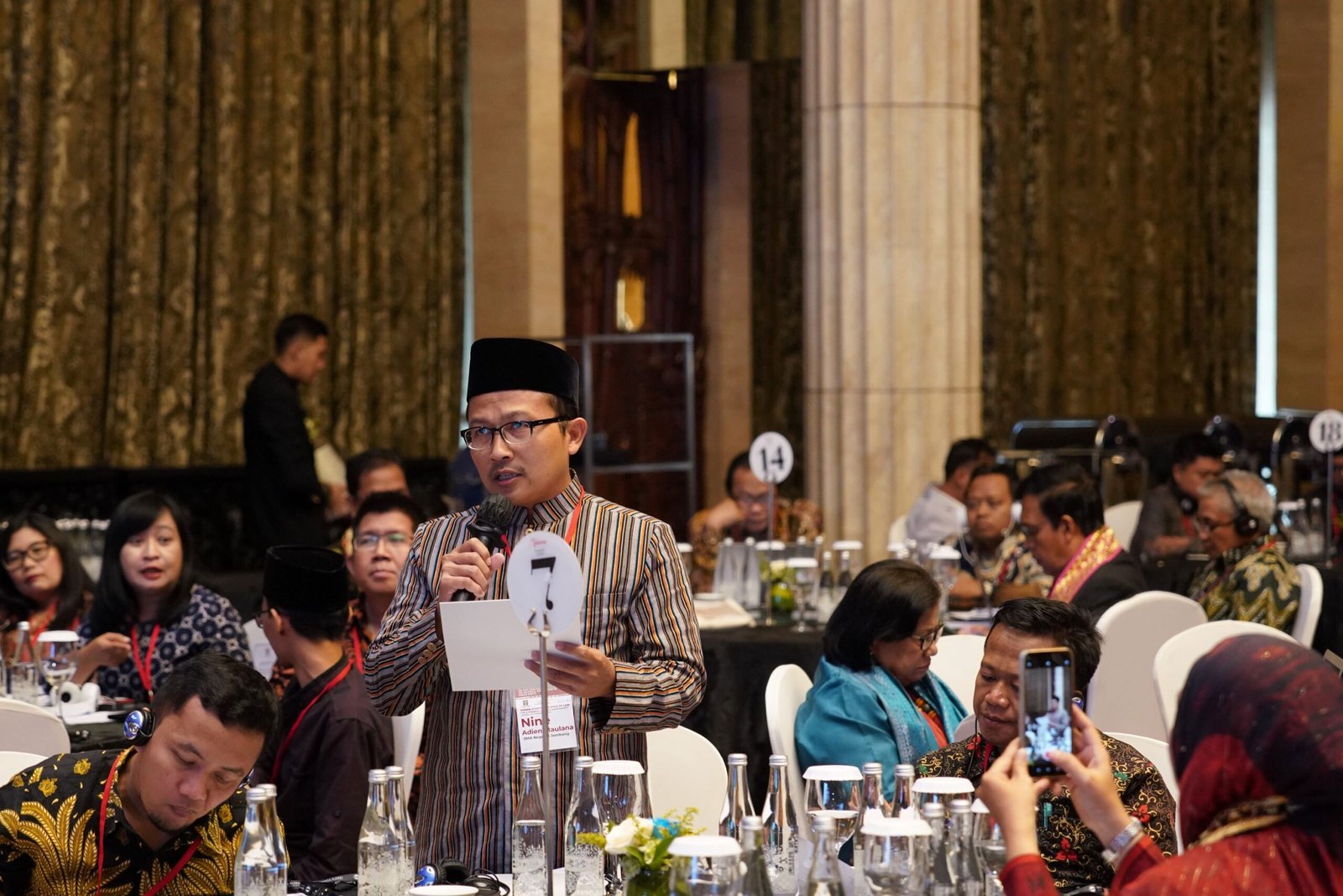
The Q&A session proceeded interactively.
Meanwhile, Director General of the Institute of Islamic Understanding Malaysia (IKIM), Associate Prof. Mohamed Azam Mohamed Adil, stated that human dignity can be eroded in multicultural and multi-religious societies because of arrogance and pride arising from a sense of being the most correct in a person. For this reason, an understanding is needed that human rights are inalienable rights. Thus, people cannot arbitrarily take away someone’s human rights, because those are rights already guaranteed with certainty.
“As a multicultural nation, we do not destroy or quarrel over a religion or belief. We must speak about us, not about me or you, so that peace and religious freedom can occur,” explained Mohamed.
Executive Director of The Network for Religious and Traditional Peacemakers, Mohamed Elsanousi, mentioned four things to promote human dignity, namely: advancing religious literacy to support a multi-religious society; recognizing and considering contextual theology in order to respond to and improve religious literacy; that freedom of religion and belief is the foundation of prosperity as well as preventing violence; and supporting educational opportunities to encourage religious literacy for women and youth.