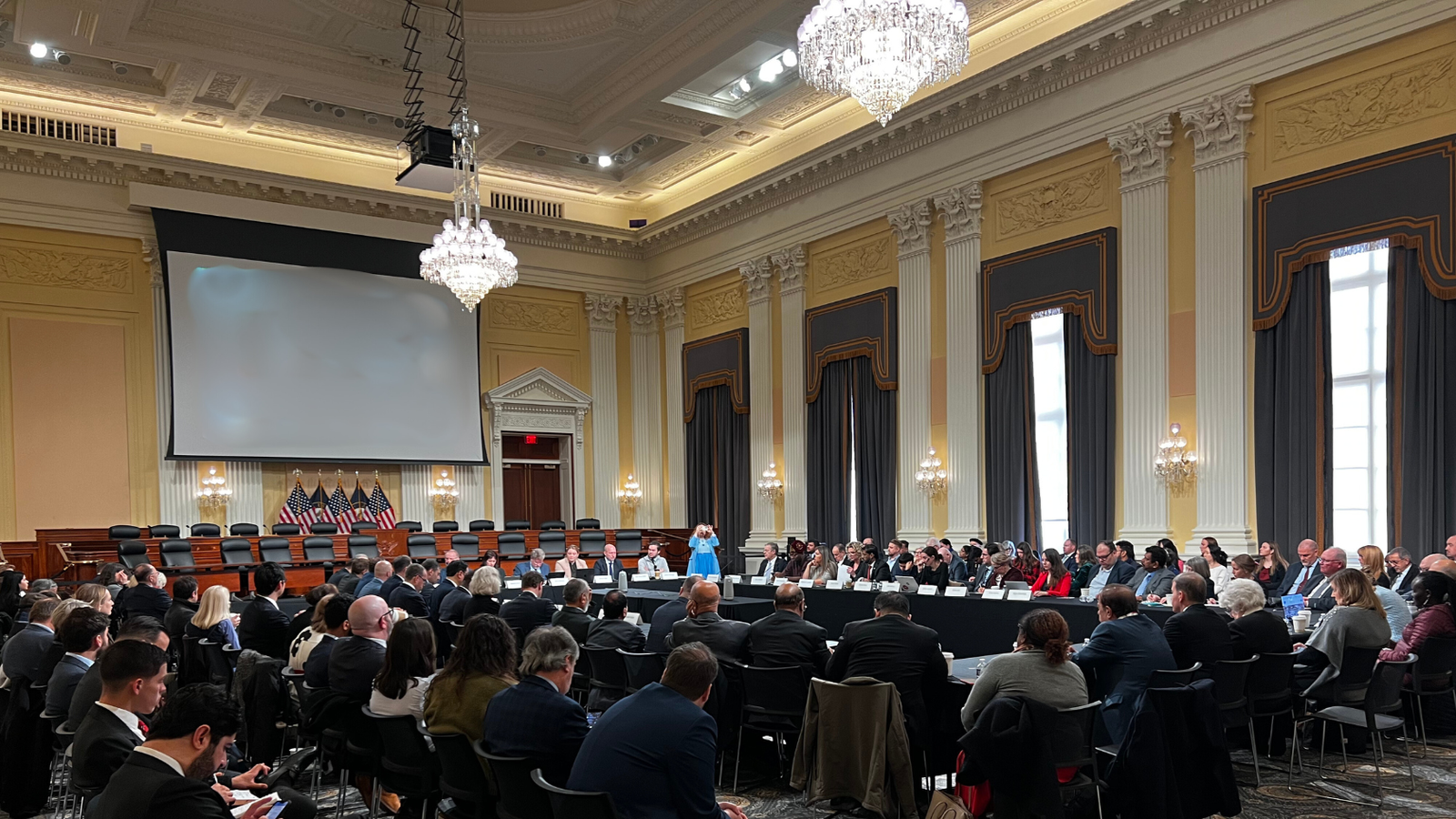
The Leimena Institute participated as one of the speakers in the Special International Religious Freedom (IRF) Roundtable held at the Cannon Caucus Room, Cannon House Office Building, in the United States, on February 3, 2025.
Jakarta, CCRL News – The Leimena Institute (IL) was invited as a speaker in two international forums in the United States (US) to present its experience in fostering interfaith cooperation in Indonesia through the Cross-Cultural Religious Literacy (CCRL) program. The Executive Director of IL, Matius Ho, was the keynote speaker on February 3, 2025, in a series of events including the Special International Religious Freedom (IRF) Roundtable held at the Cannon Caucus Room, Cannon House Office Building, at Capitol Hill, and the Global Faith Forum at the Washington Hilton.
The IRF Roundtable, established in 2010, serves as an informal platform for non-governmental organizations (NGOs), individuals, and government officials from diverse faiths and beliefs to discuss religious freedom issues around the world. Meanwhile, the Global Faith Forum (GFF) focuses on bringing together religious leaders and advocates to share values of respect among religious communities through concrete action in a world facing polarization and conflict.
“The participation of the Leimena Institute in these two forums is considered meaningful because of its significant contribution to interfaith relations in Indonesia, through efforts to build mutual understanding among religions and strengthen multi-faith collaboration through the CCRL program,” said Matius Ho to CCRL News.
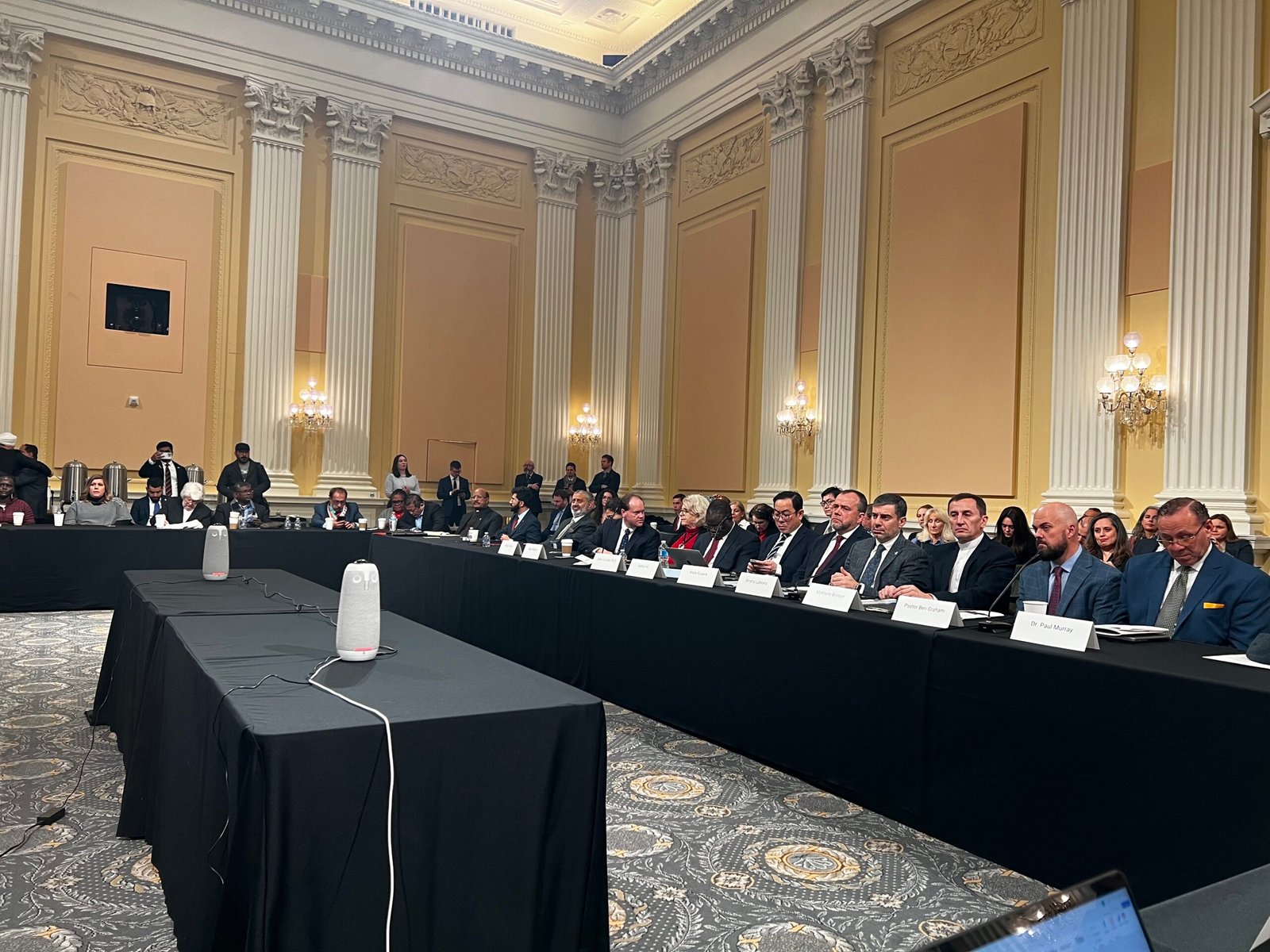
The Special IRF Roundtable 2025 was held a day before the IRF Summit 2025, serving as a forum that demonstrates how people of all faiths and beliefs can engage with one another, even amid profound differences, to take joint action in building peace and prosperity.
The Special IRF Roundtable, attended by 200 participants onsite and 55 participants online, was held in the Cannon Caucus Room at the Cannon House Office Building, located south of the US Capitol in Washington, D.C.—an iconic congressional office building. The significant meeting was attended by US government representatives from the Office of International Religious Freedom, US Commission on International Religious Freedom (USCIRF), international delegations, and civil society leaders.
Meanwhile, the Global Faith Forum (GFF), organized by the Multi-Faith Neighbors Network (MFNN) under the motto “Transformation Begins with Relationships,” seeks to build mutual trust and respect among religious leaders through community engagement, authentic dialogue, and relationships.
Matius explained that the CCRL program carried out by the Leimena Institute has become a concrete example of building multi-faith collaboration, particularly in Indonesia. This is because its implementation involves cooperation among various educational and religious institutions from diverse faith backgrounds.
“The CCRL program was developed to build trust by combating prejudice and negative stereotypes against those who are different. This focus is crucial because prejudice and fear of ‘the other’ are fertile ground for social conflict,” said Matius Ho.
He added that the CCRL program goes beyond the limitations of traditional interfaith dialogue, which often ends at the stage of mere acquaintance. Instead, knowledge about people of different religions is not always translated into empathy and solidarity. He cited the theory of renowned political scientist and Harvard University public policy professor Robert Putnam, which emphasizes the importance of building trust—known as social capital.
Specifically, the CCRL program trains teachers to develop bridging social capital, which connects people from different backgrounds, rather than bonding social capital, which only links those from the same background. Teachers are trained to master three core CCRL competencies: personal, comparative, and collaborative.
Since its launch in October 2021, during the Covid-19 pandemic, the CCRL program has received an extraordinary response. By the end of 2024, more than 9,000 educators—around 3,000 per year—had graduated from 60 cohorts of the CCRL introduction training. Participants included teachers from madrasahs and public schools with Muslim, Christian, Buddhist, Hindu, and Confucian backgrounds.
“Interestingly, the program is not only followed by religious studies teachers, but also by teachers of non-religious subjects such as Mathematics and Chemistry. For example, a Mathematics teacher engaged his students in a discussion on religious tolerance using statistics,” Matius continued.
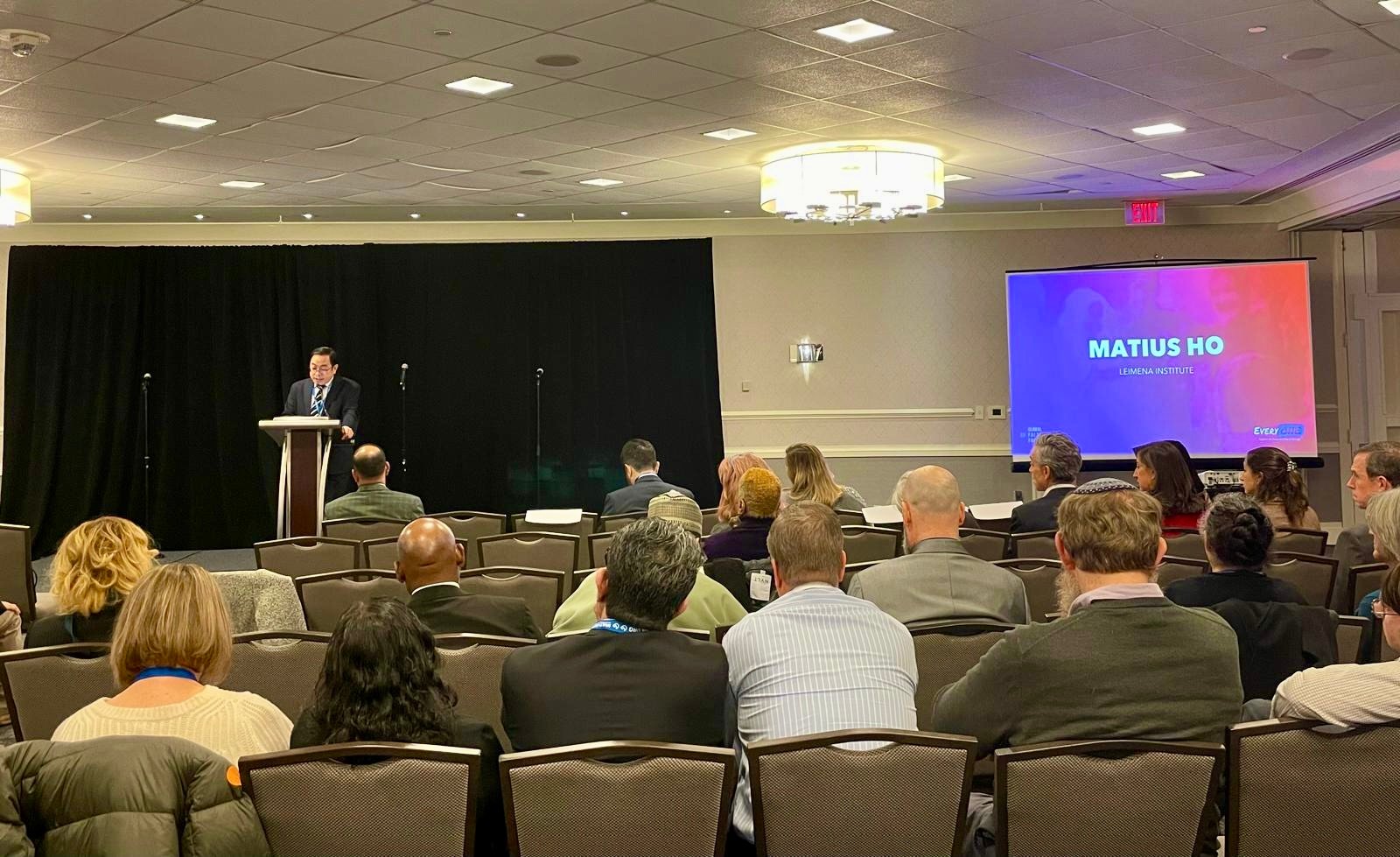
Matius Ho delivered a presentation on the Cross-Cultural Religious Literacy program during the Global Faith Forum, early February 2025.
Good News from Indonesia
Matius also shared an inspiring story from the CCRL program: a meeting between a madrasah teacher in Central Java, Rohmat Hidayat, and a Christian school teacher, Yonathan Djalimun. They became friends and took the initiative to arrange student visits between their schools. Their story inspired CCRL alumni in Ambon, Maluku, Salomina Patty from a Christian school, to collaborate with the head of a Muslim school there, together declaring a “Sekolah Gandong.”
“Such initiatives hold great promise for peacebuilding and reconciliation, especially in regions with a history of interreligious conflict like Ambon,” said Matius.
According to him, his presentation on the CCRL program was received as good news from Indonesia at the Special IRF Roundtable in the Caucus Room, Cannon House Office Building, amid various religious freedom concerns around the world such as in Ukraine, Iraq, Nigeria, Pakistan, Palestine, Ghana, and others.
“Religious leaders, government officials, and NGO representatives expressed urgent concerns and collaborated to seek potential solutions to encourage meaningful multi-faith action,” stated the written declaration from the Special IRF Roundtable.
The Special IRF Roundtable featured, among others, IRF Roundtable Co-Chair and IRF Secretariat CEO Greg Mitchell, and IRF Roundtable Co-Chair Nadine Maenza. Two US officials also delivered remarks at the forum: Patrick Harvey, Senior Official of the U.S. State Department Office of International Religious Freedom, and Nathan Wineinger, Chief of Public Affairs at the U.S. Commission on International Religious Freedom (USCIRF).
Meanwhile, the Global Faith Forum, initiated by the founders of the Multi-Faith Neighbors Network—Pastor Bob Roberts Jr., Imam Mohamed Magid, and Rabbi David Saperstein—also featured prominent speakers, including two former US Ambassadors-at-Large for International Religious Freedom, Rashad Hussain and Sam Brownback