
Written by Balyan Oslerking Siregar
ven though the COVID-19 pandemic hit and restricted nearly all social activities, it couldn’t stop people from sharing ideas, whether as individuals or as communities. The pandemic led to many new phenomena that deviated from people’s normal habits. Typically, people would go about their daily lives—shopping at the market, going to school, working at an office, or other professions. However, the roles we used to play in person shifted to the virtual world. Almost all of our activities moved to a digital space, creating new ways of working and new terms. For example, “Work from Home” for employees, online selling and shopping, or “distance learning” for students.
Without missing a beat, online workshops and seminars open to the public, organized by professional communities and institutions, spread widely on social media platforms like Facebook, Instagram, WhatsApp, and Telegram. They offered webinars and online workshops on topics relevant to the global pandemic situation, from education and entrepreneurship to arts, skills, and even digital literacy.
Around mid-July 2022, I started learning about and getting to know the Leimena Institute, a non-profit organization that currently focuses on developing Cross-Cultural Religious Literacy (CCRL). After attending several of its webinars, I became interested in the activities offered and started actively participating in others. CCRL aims to strengthen peaceful coexistence and collaboration among religions in Indonesia by building the capacity of educators, especially those in the field of religious studies. The goals of CCRL can be found on the Leimena Institute’s website.
Besides holding seminars, the Leimena Institute also offers online courses on Cross-Cultural Religious Literacy. CCRL covers three competencies for people who want to expand their knowledge of religious literacy: personal competency, comparative competency, and collaborative competency. There have been dozens of cohorts and thousands of participants who are now alumni of this course, and I am a graduate of the 22nd cohort. The program is still ongoing and will continue to produce more alumni in the field of CCRL.
With these three competencies, participants are expected to be able to protect themselves from SARA-related conflicts (conflicts involving ethnicity, religion, race, and inter-group relations) and avoid antisocial behavior. Instead, participants are expected to be adept at interacting with others who have different religions and beliefs, and to be tolerant and humane. Through these three competencies, a person should be able to live side-by-side with others, regardless of their tribe, religion, or beliefs.
Tackling Intolerance with Dialogue
For about three months, I actively studied with the Leimena Institute through online seminars that discussed various heated issues, both in Indonesia and abroad. For example, issues that are widespread in society, such as intolerance cases in several regions of Indonesia, education, and building collaborative relationships with international communities to discuss shared goals. The hope for these discussions is to find and discover solutions to the problems faced by society, to deliberate on education, and so on.
With the programs offered by this institution, it’s not impossible that one day verbal and non-verbal violence, as well as SARA cases, will no longer exist. This is especially true if everyone understands the positions and materials in the curriculum offered by the program.
Recently, there have been several cases of intolerance, such as in India in early 2020. Clashes broke out between supporters and opponents of India’s amended citizenship law. The unrest escalated into communal conflict between Muslims and Hindus, resulting in physical damage and casualties. This conflict of interests should not have happened if both sides had prioritized cool-headed dialogue, facilitated by the Indian government, to find a middle ground or a solution for the good of all its citizens without exception. In addition to dialogue, it would also be helpful to create more spaces for different religious groups to meet and discuss their interests, just as the Leimena Institute has initiated.
The seeds of intolerance are also sprouting in our own country. In a report from Kompas.com in February 2023, a video went viral of a local community leader in Bandar Lampung disbanding a Christian worship service, citing issues with a permit for the place of worship. This happened despite the fact that the constitution guarantees freedom of religion. If incidents like this continue without tolerance and dialogue among the parties involved, there is a danger of national disintegration. And yet, the diversity of our tribes and cultures has been part of our nation since its founding and has been nurtured by our ancestors for generations.
The Benefits of CCRL
For this reason, CCRL is an excellent program for anyone who desires a harmonious life to follow and apply. For some people, the Leimena Institute may be an unfamiliar organization because it was founded only in 2005. But as the wise Mahatma Gandhi once said, “A simple act of kindness is far more powerful than a thousand heads bowed in prayer.” This is a truly inspiring statement.
The benefits of learning through this CCRL program are: first, it opens the mind to inclusive thinking. Second, it helps in the area of human relations, by building relationships with others without negative prejudice. Finally, it offers solutions to prevent conflicts of interest that can result in physical and mental harm.
Therefore, this CCRL course is a strong recommendation and a viable alternative for creating tolerance and harmony among people of different faiths. By building a welcoming and tolerant environment for everyone, we can shape and create a civilized society, because the environment will be free from things that can hinder people from creating a civilization, such as mastering science, technology, art, culture, as well as ethics and morals. My hope is that in the future, this course can also be conducted in person so that we can meet face-to-face.
Cross-Cultural Religious Literacy (CCRL) is an excellent program for anyone who desires a harmonious life to follow and apply.
Writer’s Profile
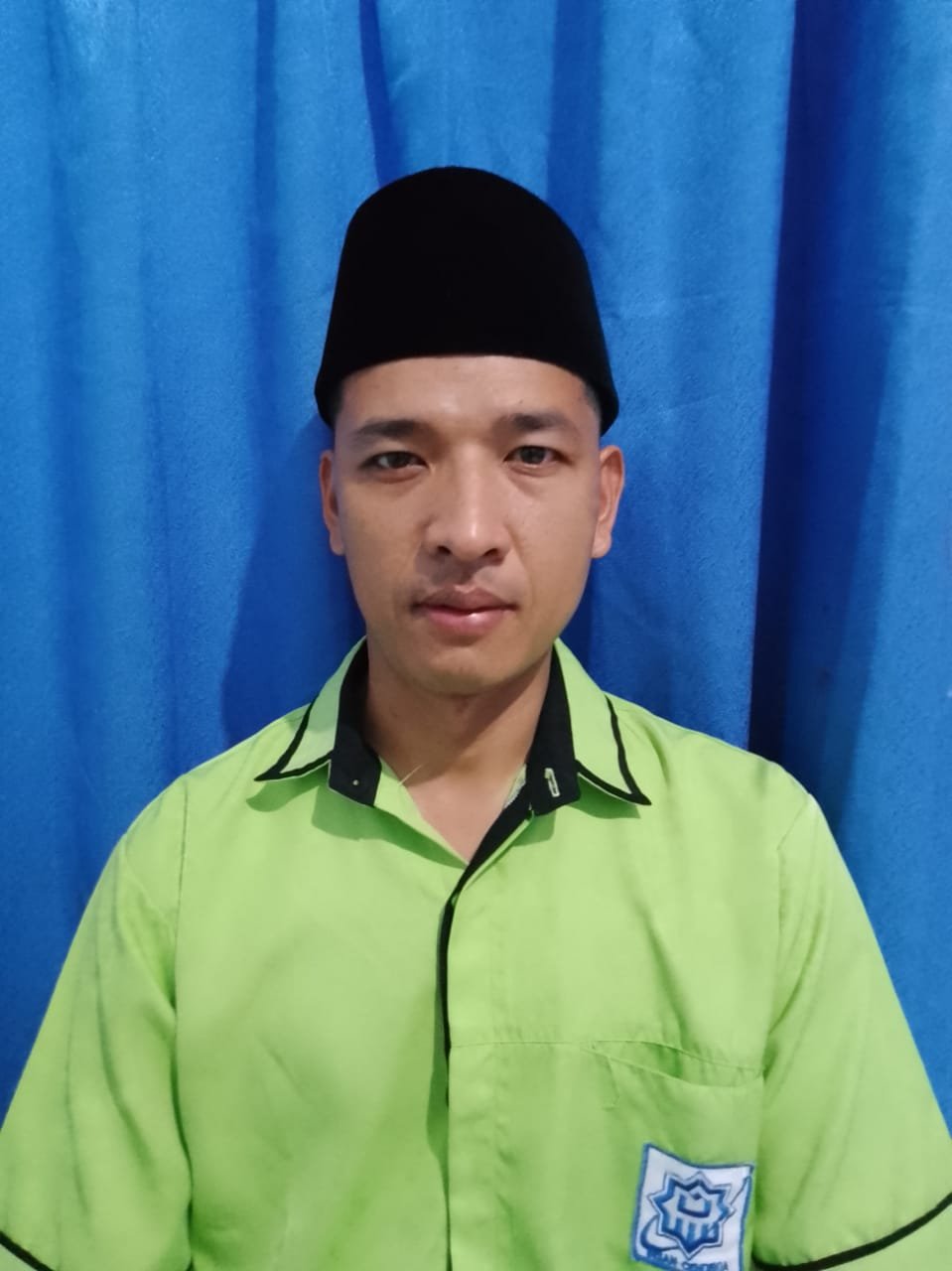
Balyan Oslerking Siregar
CCRL Alumni Batch 15
Boys’ Dormitory Advisor at MAN IC Tapanuli Selatan, Sipirok, North Sumatera
0 Comments