Written by Subhan Saleh
The greatest challenge for a very pluralistic nation is maintaining harmonious coexistence among its diverse religious communities. Indonesia’s diversity is a great treasure and a gift from God Almighty that we should be grateful for. However, this diversity could become a disaster if we fail to properly nurture or care for the cohesive bonds of our nation.
Historical facts show that Indonesia was born and built on a shared consensus among the founding fathers, who came from different ethnic groups and religions. They formulated these agreements based on a holistic observation of the historical background, social and cultural conditions, and the unique characteristics of the Indonesian nation as a state.
Indonesia is a country made up of 17,508 islands, with more than 500 ethnic groups and languages, as well as a variety of religions, cultures, and social classes that stretch from Sabang to Merauke.
Based on this historical fact of the nation’s great diversity, Pancasila was born as a consensus or shared agreement among the founding fathers. It became a common ground (kalimatun sawa’) for the various differences in religion, ethnicity, race, language, and culture. Pancasila is the meeting point, the focal point, and the destination for all Indonesian citizens. It was formulated as the foundation of the state, serving as a static bedrock for all elements of the nation and as a moral guide for our national life. With Pancasila as a common ground, the hope for peaceful coexistence among a nation with a variety of different identities can become a reality.
The Challenge of Intolerance Among the Youth
The threat of division is the most logical consequence for a country like Indonesia, which has such a high level of diversity. Therefore, all parties must make a maximum effort to protect this nation from the threat of division and to provide a good understanding of Pancasila‘s values.
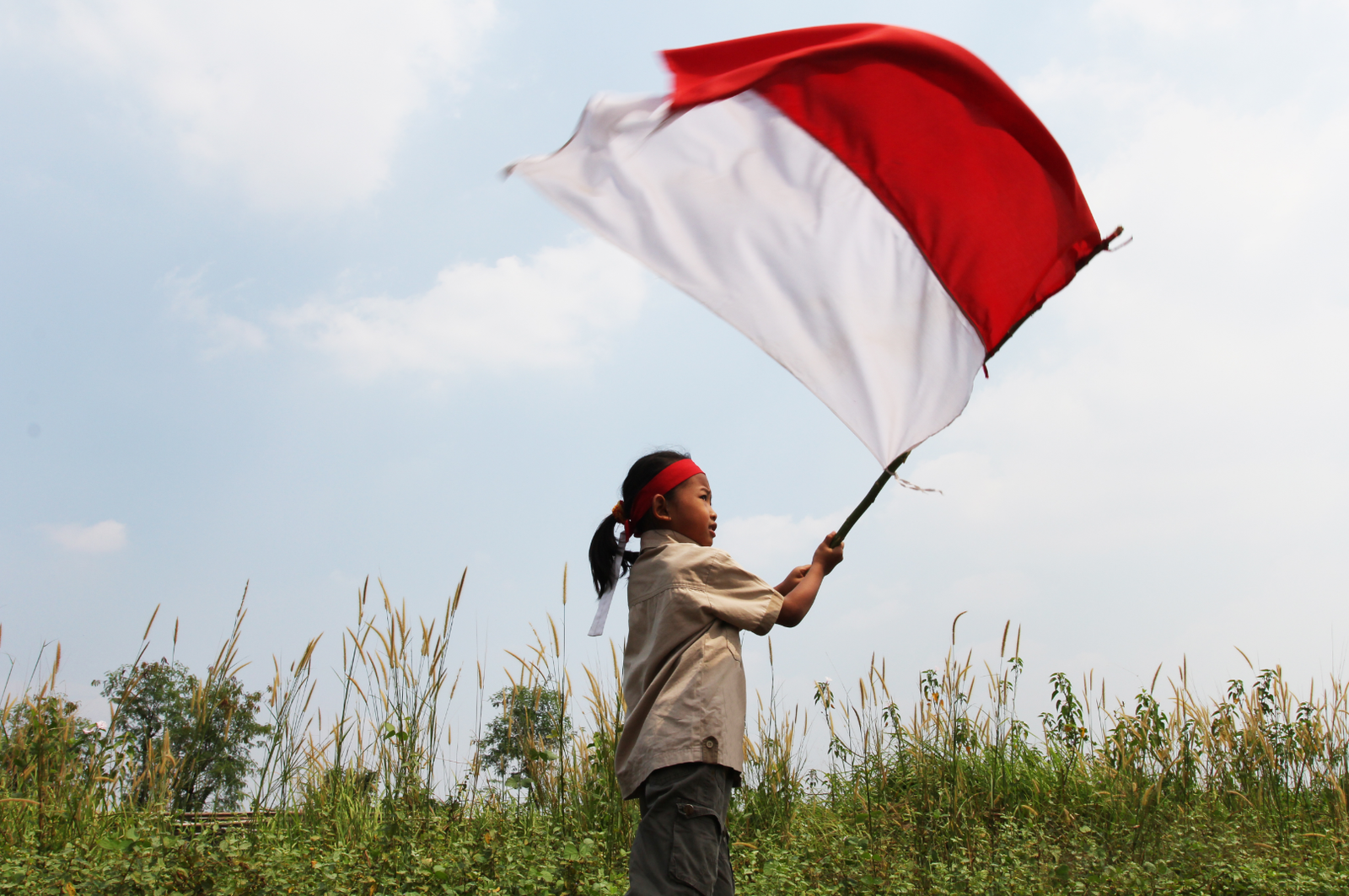
The younger generation, especially school-aged children, will be the ones to carry the baton for the nation’s future. However, they are also the most vulnerable to being influenced and indoctrinated with intolerant ideologies that are in conflict with Indonesia’s national ideology. For this reason, it is crucial to intervene early by instilling the values of Pancasila to build awareness of the importance of preserving Indonesia’s diversity as a national identity.
The trend of intolerance among students requires special attention from the government and all parties, as school-aged youth are the future generation who will contribute to shaping the nation’s future development.
Overall, we have a strong asset in the younger generation, which largely supports tolerance in diversity. This fact is demonstrated by the promising attitudes of tolerance among high school students, with a survey conducted by the Setara Institute and the International NGO Forum on Indonesian Development (INFID) showing that more than 90% of students are willing to be friends with peers of different religions, races, and skin colors.
Nevertheless, we still need to be vigilant. From the 12 key questions asked in five cities (Surabaya, Surakarta, Bogor, Padang, and Bandung), around 24.2% showed passive intolerance. This means they could change to become tolerant, but they could also become actively intolerant. Therefore, intervention from various groups is needed to build awareness of diversity in the younger generation to prevent this shift toward intolerance.
A Solution: Cross-Cultural Religious Literacy
To build awareness of the importance of nurturing diversity as a way to preserve the values of Pancasila and to keep the younger generation away from intolerance, Cross-Cultural Religious Literacy (CCRL) is something that needs to be given to our generation, especially school-aged children. CCRL is a concept with a strong foundation for encouraging every religious person to have the ability to understand themselves and their own religion, to know others and other religions as they know themselves, and to have the ability to collaborate with people of different faiths.
Through CCRL, we are taught to get into the habit of listening and observing with our hearts, verifying with our minds, and getting involved with our hands through concrete actions. These habits are an implementation of the command in the Quran—the essence of creating humanity with differences—”lita’arafu,” which means to know one another, to understand one another, and to care for one another. This kind of literacy will prevent people from easily belittling others. It will lead people to position religion as a cohesive and unifying force and to prioritize an appreciative attitude toward pluralism.
Every one of us has a fundamental role to play in integrating Cross-Cultural Religious Literacy (CCRL) into the education system. Its values are in harmony with the spirit of “Unity in Diversity” (Bhinneka Tunggal Ika), allowing students to build good relationships with those who are different from them.
The effort to instill Cross-Cultural Religious Literacy (CCRL) is expected to produce a generation with three competencies:
-
Personal competence: The ability to understand one’s own religious teachings in relation to people of different religions.
-
Comparative competence: The ability to know the teachings of other religions to build relationships with people of different faiths.
-
Collaborative competence: The ability to cooperate and work together with people who are different in overcoming various shared challenges and problems.
In this way, our shared aspirations can be achieved with the birth of a full awareness of one’s position as a human being living side-by-side with others, sharing a single country as a common home with those who have different cultures, traditions, characteristics, and beliefs. We can not only live side-by-side but also build cooperation among citizens, cultures, and religions to solve every shared problem we face as a nation. The awareness to nurture diversity as the unifying bond of Indonesia will protect this nation from ruin.
Historical facts show that Indonesia was born and built on a shared consensus among the nation’s founding fathers, who came from different ethnicities and religions. They formulated these mutual agreements based on a holistic observation of the historical background, social and cultural conditions, and the characteristics of the Indonesian nation as a nation-state
Writer’s Profile
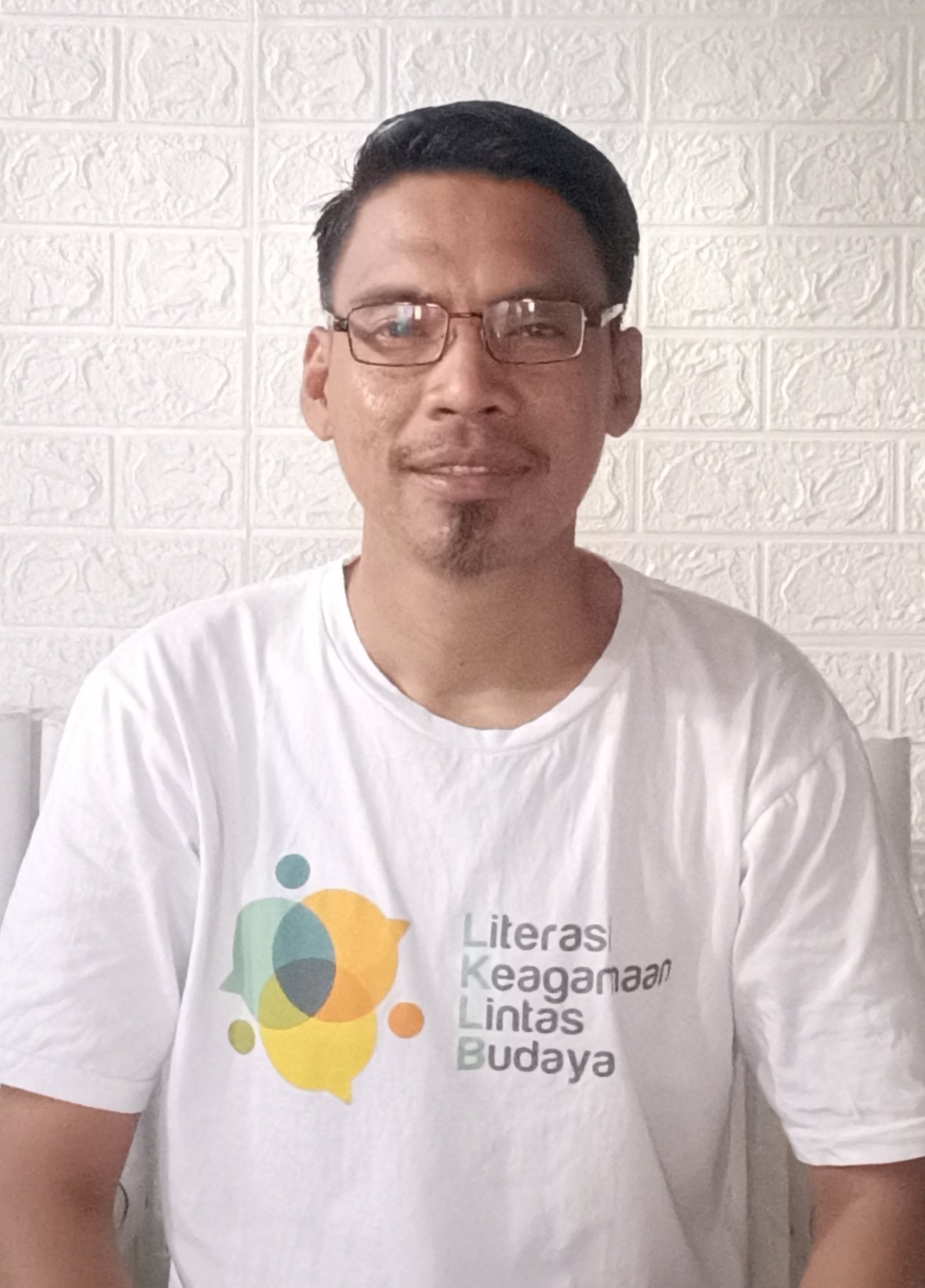
Subhan Saleh
CCRL Alumni Batch 11
Teacher at MA Nuhiyah Pambusuang, West Sulawesi
0 Comments