Written by Firdaus Amir
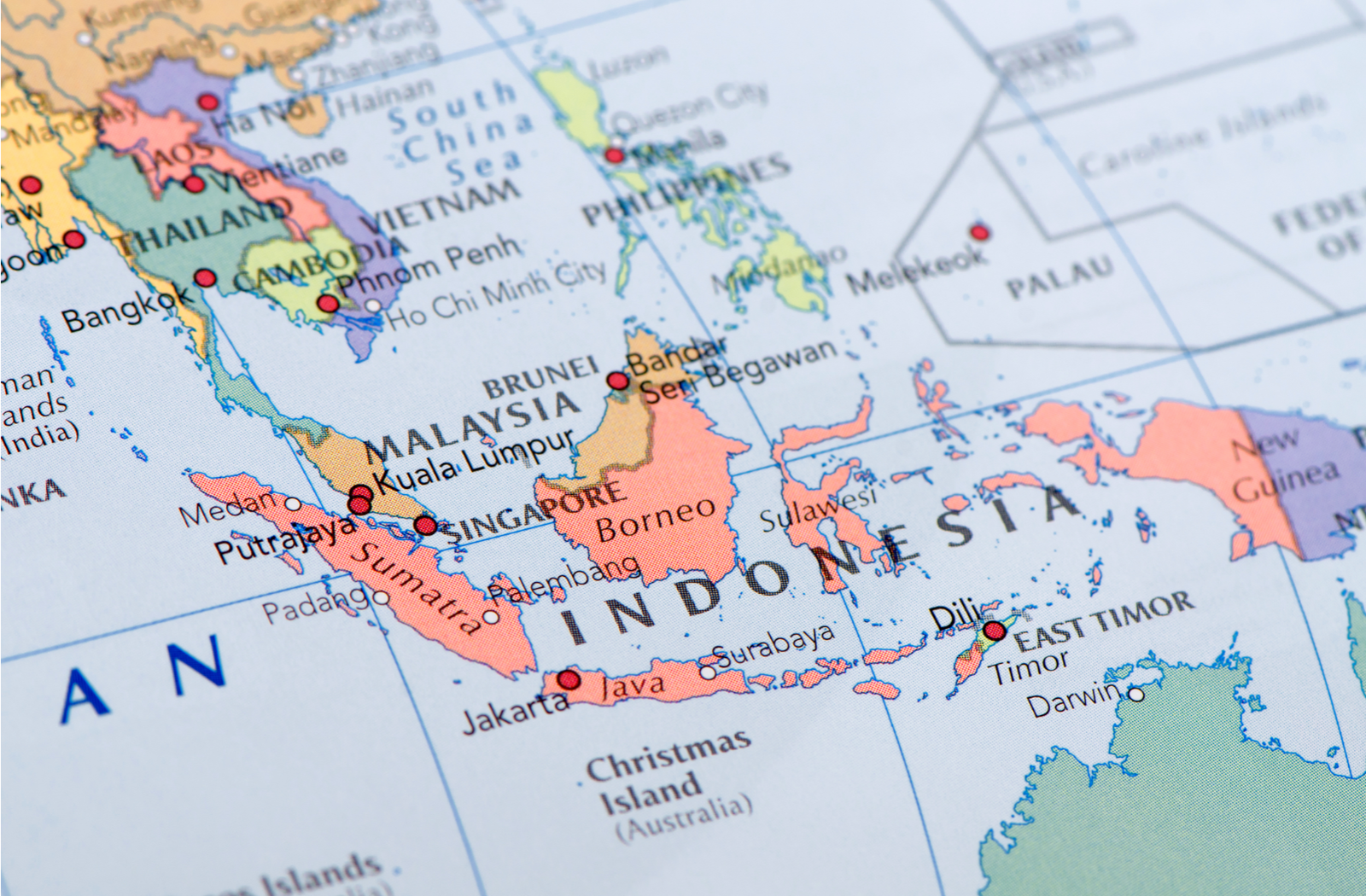
Indonesia is made up of an incredibly pluralistic society with diverse tribes, religions, and races, yet people continue to live side-by-side in national social harmony. There are at least 300 ethnic groups in Indonesia, each with its own culture, more than 250 local languages, and a wide variety of religious and spiritual beliefs.
The pluralism of Indonesia presents a crucial challenge for every believer to interact and live in harmony amidst differences. Looking at recent conditions, there are several factors that cause conflict within society, including intolerance, political interests, fanaticism, and a lack of literacy and understanding of differences. There have been many cases related to Indonesia’s diversity. For example, the Poso conflict in 1998 was triggered by the political interests of local elites, which caused many people to lose their lives. As a cleric named Yahya Al Amri stated, the Poso conflict is a clear historical lesson for our nation. According to data from 2017 to 2019, at least 27 cases of religious conflict occurred in Indonesia, encompassing both communal (inter-religious) and sectarian (intra-religious) conflicts. The causes were due to attitudes of intolerance, fanaticism, and a misguided understanding.
Moreover, many countries around the world are struggling to resolve conflicts sparked by religion, such as Myanmar, Iran, and others. These conflicts cause immense harm and destruction, which later become a source of great regret. This makes us realize that these challenges are something we must anticipate as a preventive measure to care for and maintain the continuity of our nation, so that we can live in peace, harmony, and concord.
The Intrinsic Goodness of Religion and Culture
Returning to their essence, we find that religion and culture have a very positive function in life. Religion and culture form a system of values that act as a cohesive bond for brotherhood, whether through the values they teach, history, or legal guidance. If these are properly instilled in every person, then the unwanted events we fear will not come to pass.
Religion also serves as guidance with a function of control through the example of religious figures or the guidance of sacred texts. There is no religion in this world, especially in Indonesia, that teaches division, strife, or conflict. They all teach values of goodness, unity, and peace, and that is what should guide us. Culture, on the other hand, is a system of values that grows within a group, community, or region and can be judged by what is shown to the public (in the broadest sense). No Indonesian culture, in its essence, teaches conflict, bloodshed, or strife. On the contrary, culture serves as a value that unites, provides good, and acts as a showcase for judging personal goodness.
From these perspectives, we realize that there is something fundamentally wrong with our attitudes and perspectives. Why do so many unwelcome things continue to happen today? This is a question that requires an answer. The Cross-Cultural Religious Literacy (CCRL) approach comes as a solution to unravel misinformation, provide an answer to a lack of literacy, serve as a remedy for weak tolerance, and act as a foundation for instilling the values of togetherness and unity from an early age, all with a wise and thoughtful approach and the right target.
Four Paths to a Harmonious Society
We have identified at least four solutions needed to reduce the number of conflicts and to prevent future conflicts between religions and cultures:
-
Strengthening diversity education in educational institutions and among community leaders. This aims to prevent intolerant and extremist attitudes among young people, preventing them from becoming the seeds of future religious and cultural conflicts. For community leaders, this education can help prevent intolerance among people who have limited access to formal education.
-
Government clarity and seriousness in maintaining national unity. This means not only issuing legal policies but also supervising their implementation down to the grassroots level to ensure the efficiency of rules and regulations.
-
Strengthening research and interfaith dialogue as an effort to foster objective knowledge among believers and to develop a scientific approach to understanding religious and cultural aspects.
-
Enhancing religious socialization. This should not only be directed at formal bodies like the Forum for Religious Harmony (FKUB) but also reach the grassroots level to make socialization more inclusive and cultivate a sense of unity in diversity.
Based on these four key points, the Cross-Cultural Religious Literacy (CCRL) program has applied them through various activities such as training, workshops, and partnerships with various organizations. This gives us hope that the impact and benefits will be truly felt in the life of our beloved Indonesian nation. The government has also been serious about implementing various programs, such as the “Religious Moderation Villages” launched by the Ministry of Religious Affairs in thousands of locations across Indonesia, and “National Dialogue” activities.
However, all of these programs would be meaningless without the support of the community. Therefore, it is our duty to continue and cultivate values of goodness within our families, neighborhoods, and the world at large.
Indonesia’s pluralism presents a crucial challenge for every believer to interact and live in harmony amidst differences.
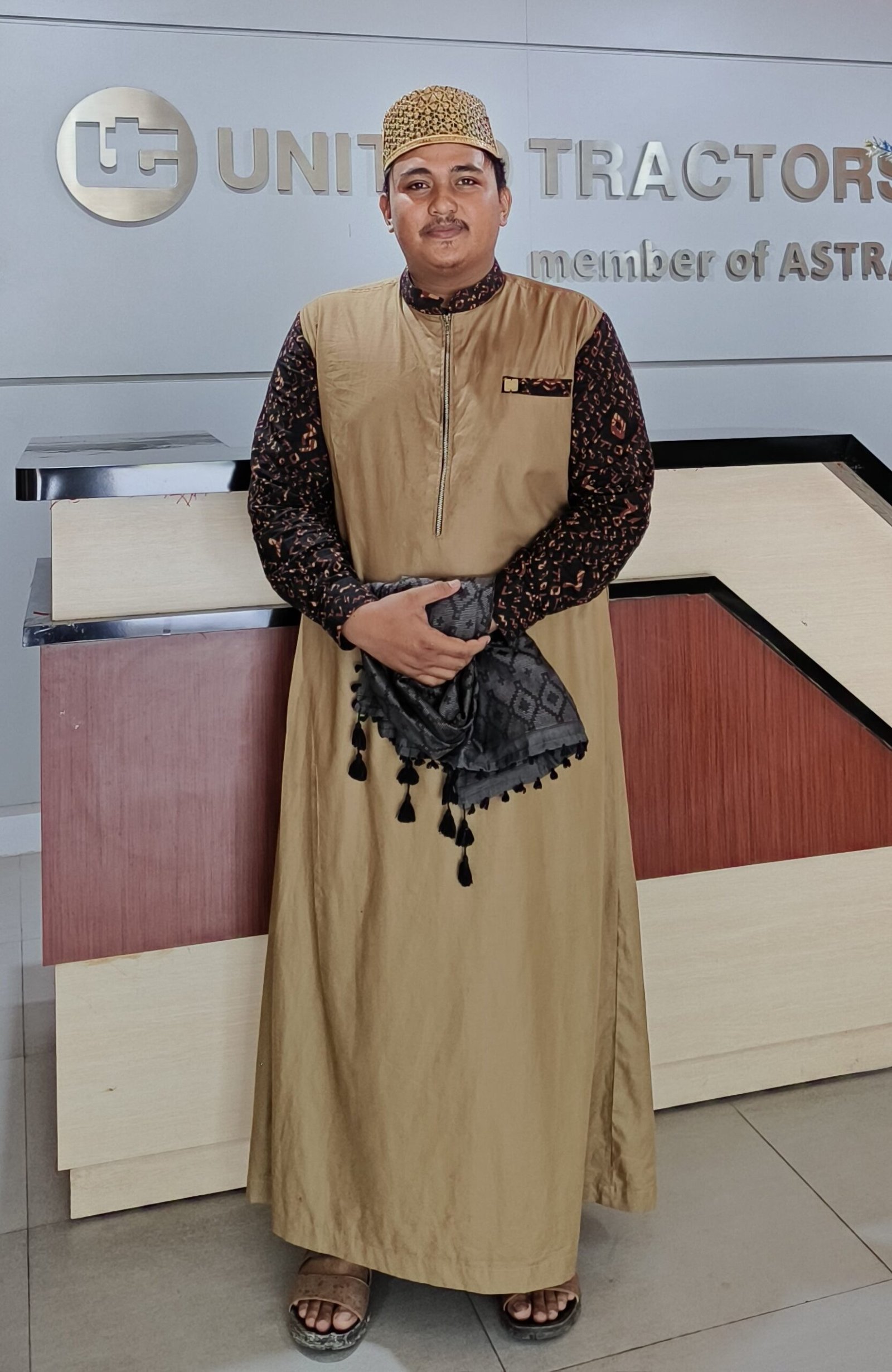
Writer’s Profile
0 Comments