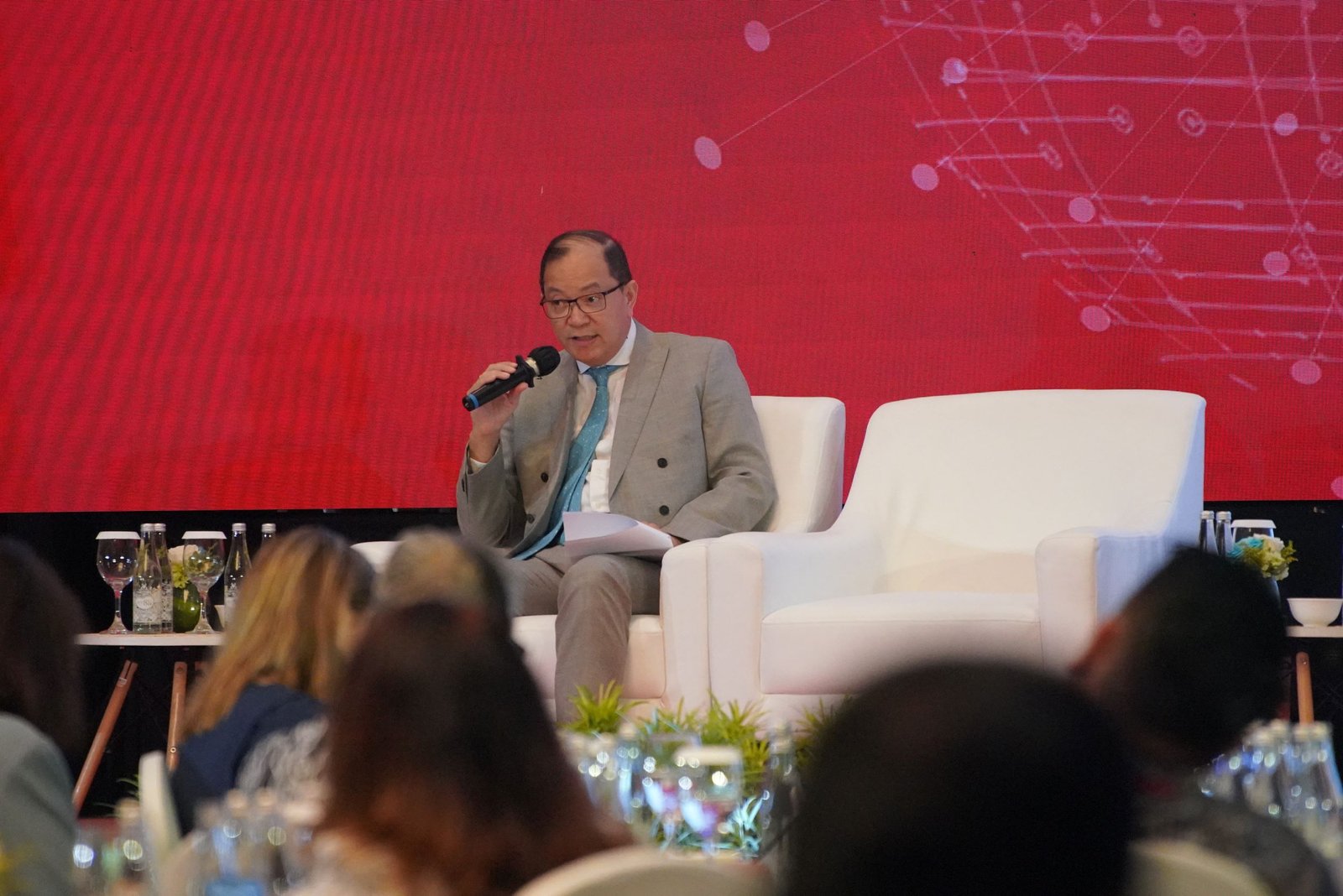
Deputy Secretary-General of ASEAN for the Political-Security Community of the ASEAN Secretariat, Robert Matheus Michael Tene, delivered a presentation in Panel Discussion 4 of the International Conference on Cross-Cultural Religious Literacy (CCRL) at the Kempinski Hotel, Jakarta, November 14, 2023.
Jakarta, LKLB News – Currently the ASEAN Post-2025 Vision towards ASEAN 2045 is being developed by the leaders of Southeast Asian countries. The community of ASEAN member states needs to strengthen interfaith and intercultural dialogue programs to realize this vision in order to build a peaceful and inclusive multi-faith and multicultural society.
This was conveyed by Deputy Secretary-General of ASEAN for the Political-Security Community of the ASEAN Secretariat, Robert Matheus Michael Tene, in Panel Discussion 4 of the International Conference on Cross-Cultural Religious Literacy (CCRL) on November 14, 2023.
In the session carrying the theme “Building Peaceful and Inclusive Multi-Faith and Multi-Cultural Societies in The ASEAN Community: Towards Post 2025 Vision”, Michael Tene explained that the future of ASEAN in the next 20 years and beyond depends on the ASEAN community to evolve and develop resilience in facing uncertainty and disruption.
“The ASEAN region has a long history and tradition of moderation, even for centuries, people of different religions and races have lived together in peace and harmony,” said Tene.
Tene emphasized that the ASEAN region recognizes pluralism and has enshrined racial equality and freedom of belief as constitutional legal rights. However, he said, the social order of plural societies in recent years has been hit in many places. Intolerance and discrimination based on religion or belief have manifested in various ways and have occurred more frequently.
In this context, Tene considered it very important to recognize emerging challenges at regional and national levels and to make efforts to identify root causes in order to overcome them, as well as to enforce relevant laws and policies to protect freedom of religion or belief.
“No less important is to encourage dialogue and intercultural understanding, protect religious minorities, and combat hate speech, as well as uphold freedom of opinion and expression. ASEAN needs to continue strengthening interfaith and intercultural dialogue programs,” explained Tene.
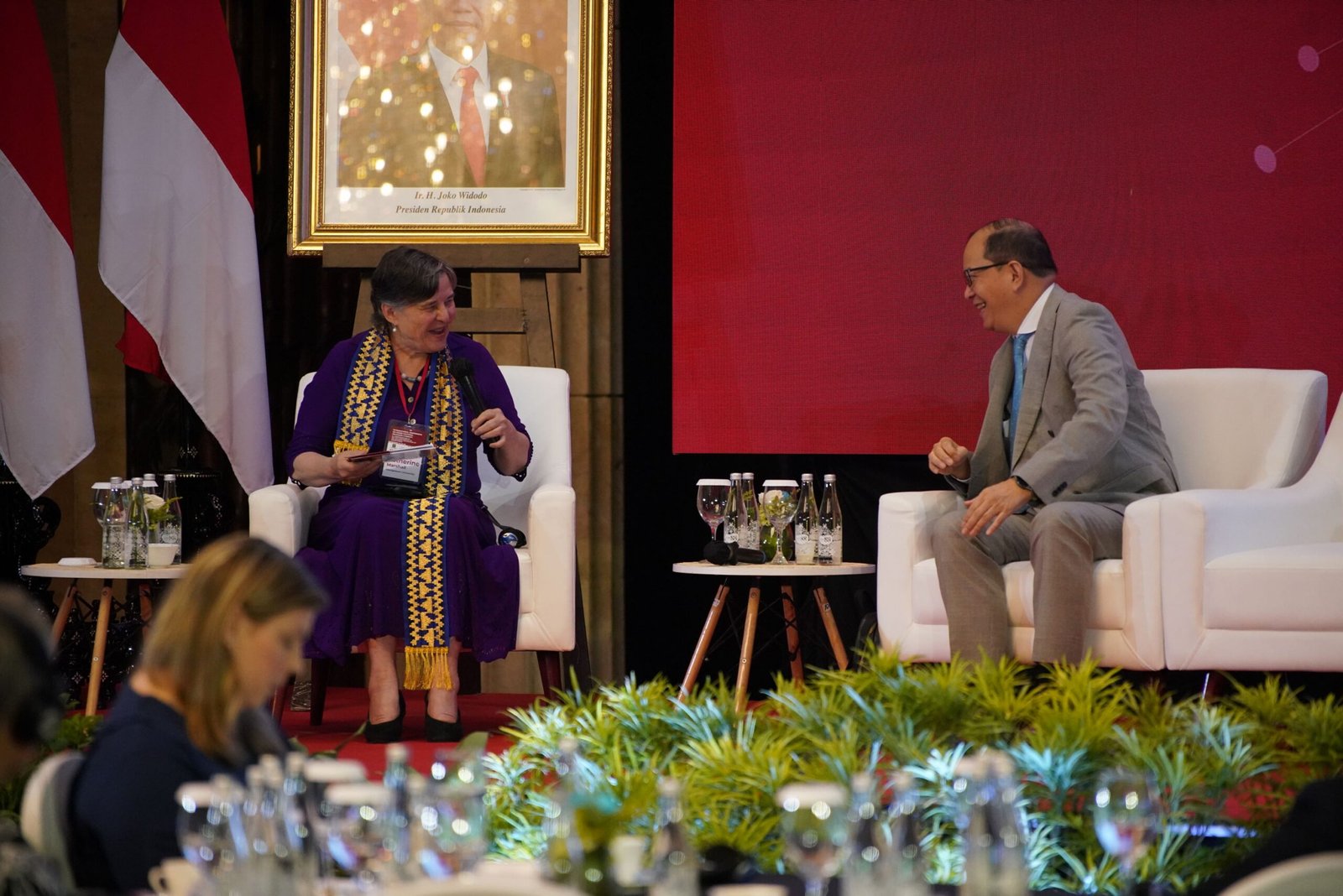
Executive Director of World Faiths Development Dialogue, Katherine Marshall (left), served as moderator of Panel Session 4 of the International Conference on CCRL.
Policy Direction Ideas
The core elements of the ASEAN Community’s Post-2025 Vision were adopted at the 42nd Summit in Indonesia in May 2023. This paved the way for the development of the ASEAN Community Vision 2025 towards ASEAN 2045 that is more dynamic, innovative, inclusive, visionary, and people-centered.
Tene mentioned five ideas regarding policy directions to realize a peaceful and inclusive multi-faith and multicultural society within the ASEAN Community.
First, increasing interfaith and intercultural dialogue. This action provides space for free debate in countering radicalism, the rise of fundamentalism, and a culture of isolationism.
Second, education is a powerful instrument to counter intolerance in society. The priority of education is to teach children and adolescents to recognize the importance of the value of respecting others.
Third, the importance of realizing the need to combat negative stereotypes of religion by taking action through education, awareness, as well as adapting measures relating to sanctions against incitement and violence based on religion and belief.
“States must exercise due diligence to prevent, investigate and punish acts of violence against people, including those belonging to minority groups,” said Tene.
Fourth, it is also important to guarantee freedom of religion or belief as well as freedom of opinion and expression, because the two reinforce each other. Fifth, strengthening multiculturalism, meaning more than just people of different religious and ethnic backgrounds living together, but also involving every group being encouraged to maintain and share what is valuable from their distinctive cultures and traditions.
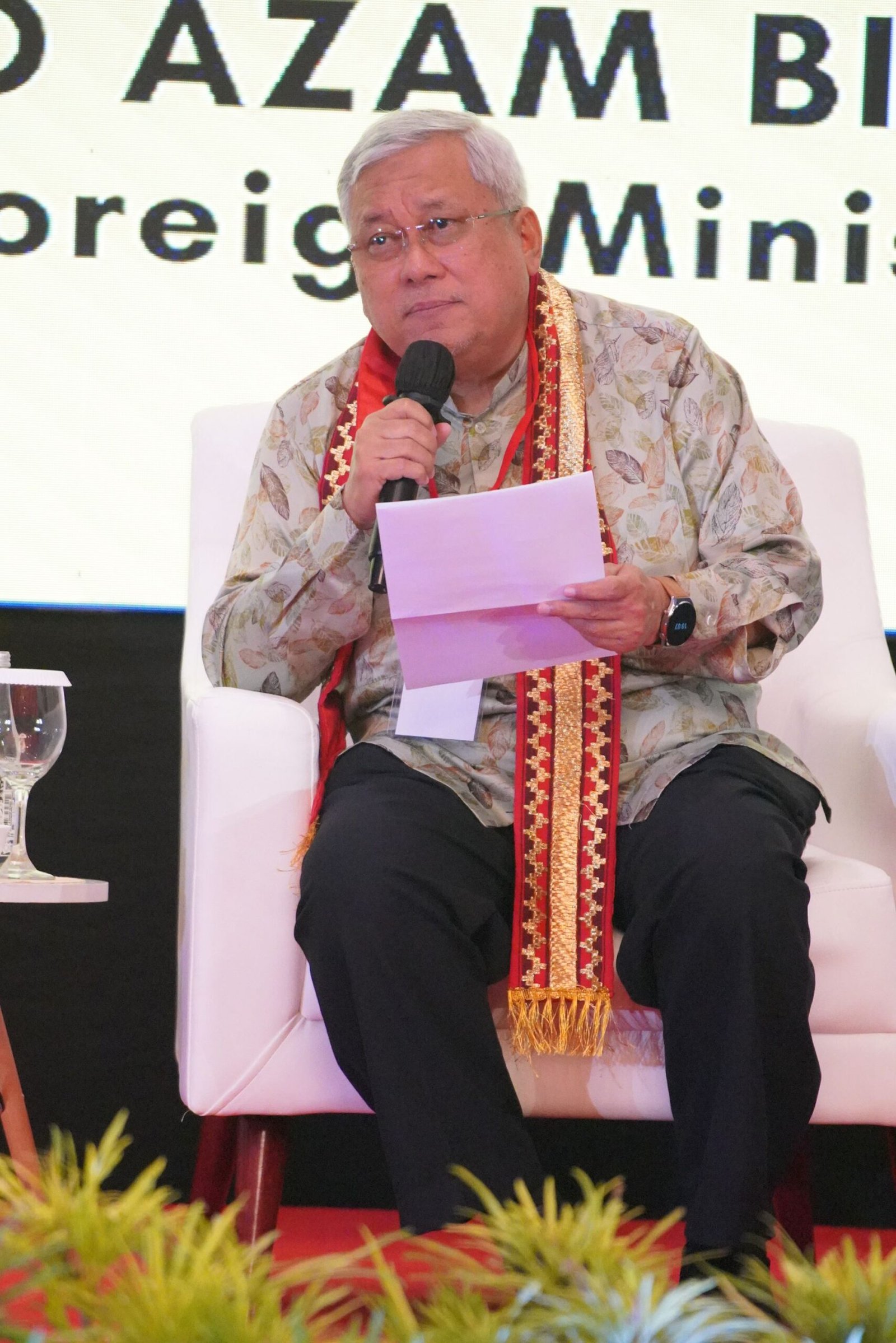
Advisor to the Malaysian Minister of Foreign Affairs, Dato Ahmad Azam Ab Rahman.
CCRL as Humanitarian Diplomacy
Another panelist in the same event, Advisor to the Malaysian Minister of Foreign Affairs, Dato Ahmad Azam Ab Rahman, said that the principles that color ASEAN will provide assurance of qaromah insaniyah which speaks about justice, togetherness, and inclusivity for the future glory of ASEAN. The ASEAN Community must move further forward and become a model for the world to see diversity as a blessing, not a disaster or a problem to be contested.
“How humanitarian diplomacy in addressing this interfaith literacy can be carried out practically in the ASEAN region. Thus we can use the humanitarian diplomacy approach to deal with issues of religious and cultural differences,” said Dato Ahmad.
Meanwhile, President of the G20 Interfaith Forum Association, Cole Durham, Jr., said that one thing that must be noted in the development of the ASEAN Vision 2025 towards ASEAN 2045 is to provide equality for religions so as to prevent discrimination or restrictions against smaller religious groups.
“The task force in this ASEAN Summit must begin to work effectively, efficiently, balanced, inclusively, and in a coordinated manner to develop the Post-2025 Vision,” said Cole.